Half Marathon
Explore Half Marathon Races· 197 upcoming events
Events
587 races · 197 events found
October 2026
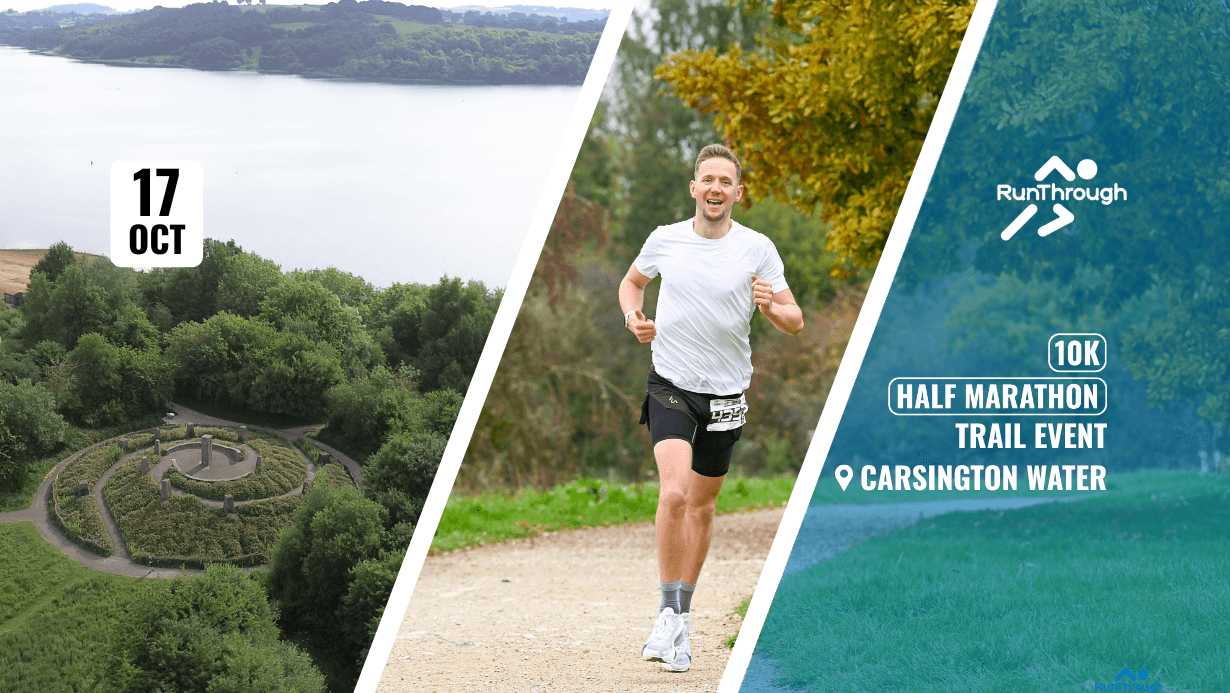
Carsington Water Trail Half Marathon & 10k October 2026
Sat, 17 Oct 2026 · Carsington Water

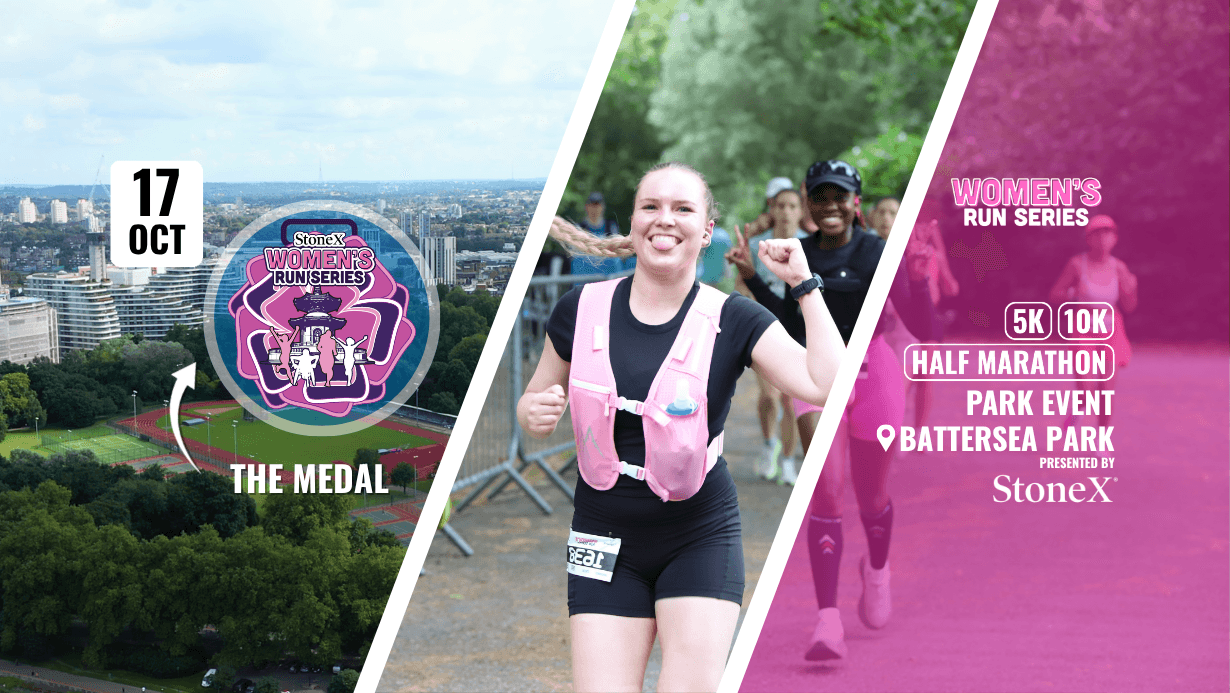
Women's Run Series Battersea Powered by StoneX October 2026
Sat, 17 Oct 2026
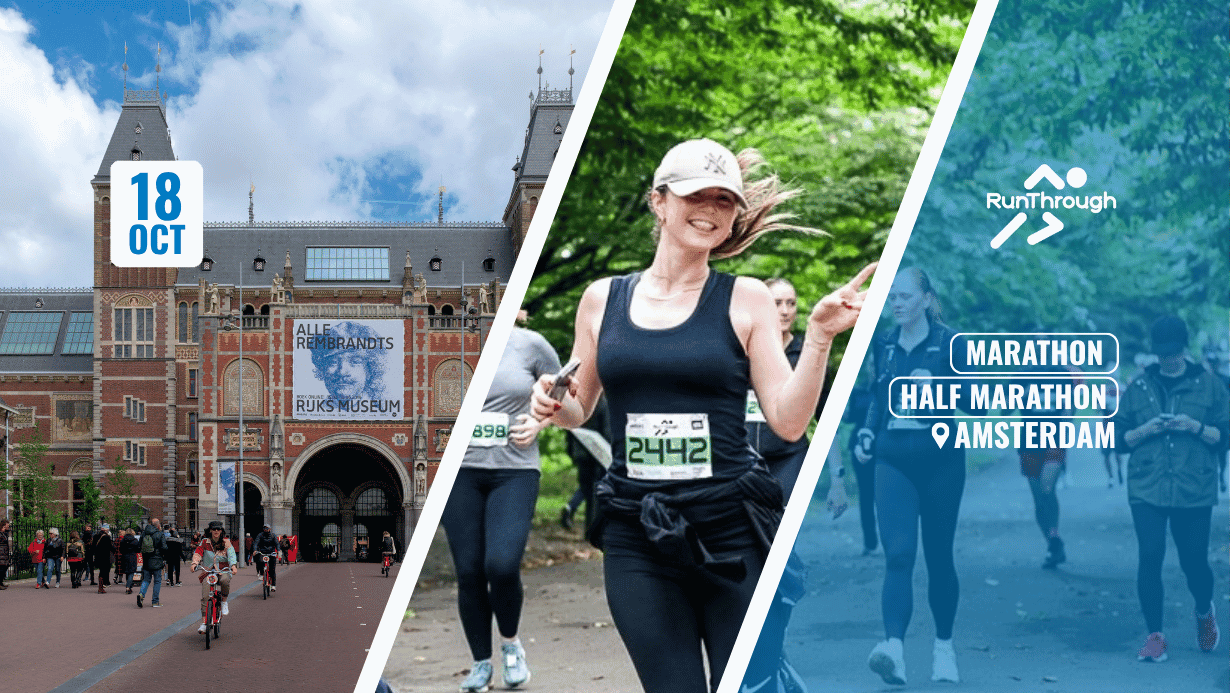
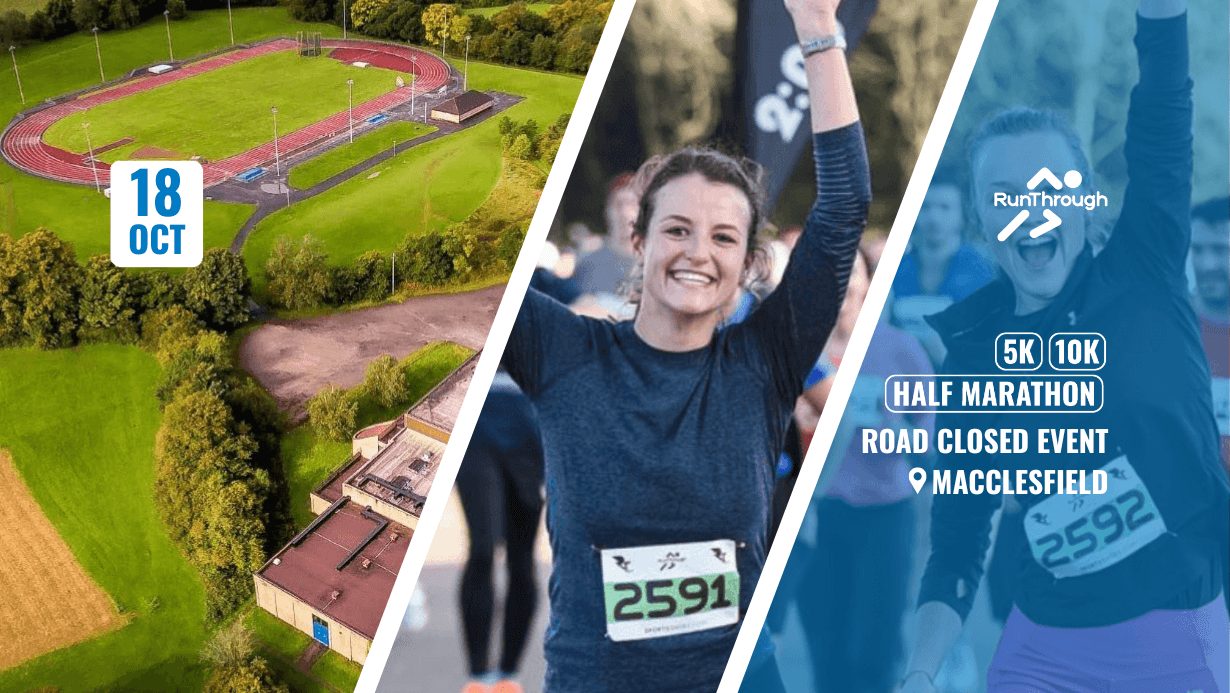
Macclesfield Running Festival October 2026
Sun, 18 Oct 2026 · Priory Ln, Macclesfield
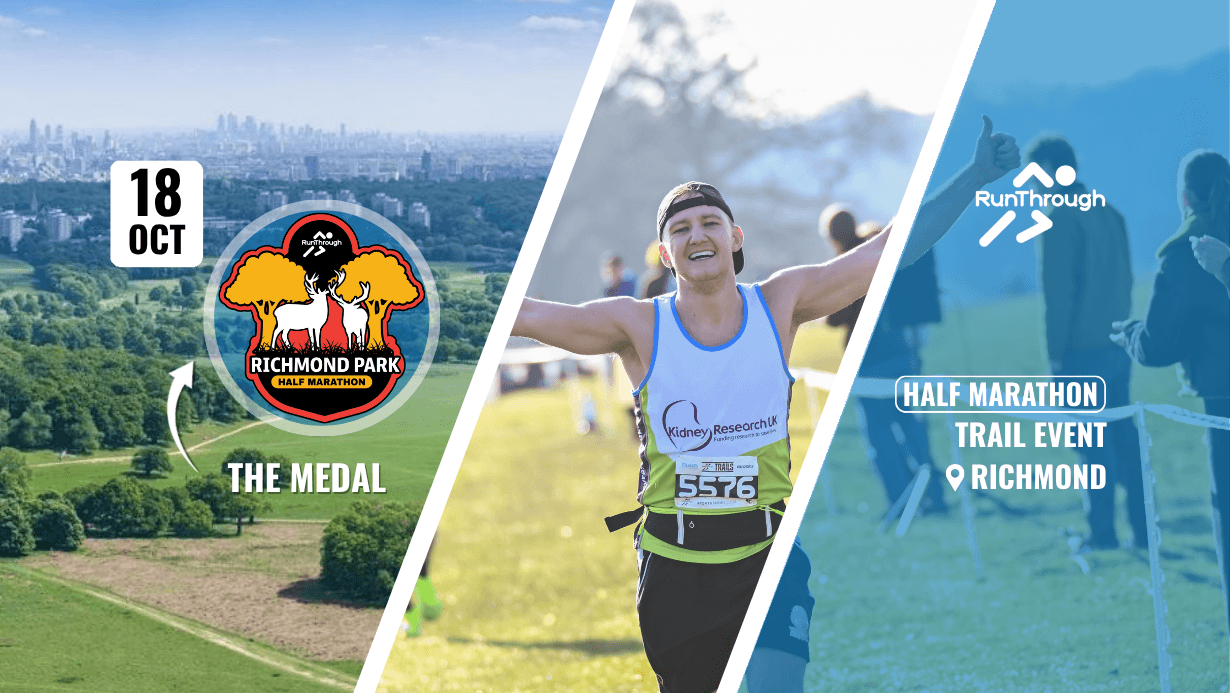
Long Beach 5K, 10K & Half Marathon October 2026
Sat, 24 Oct 2026 · Shoreline Aquatic Park
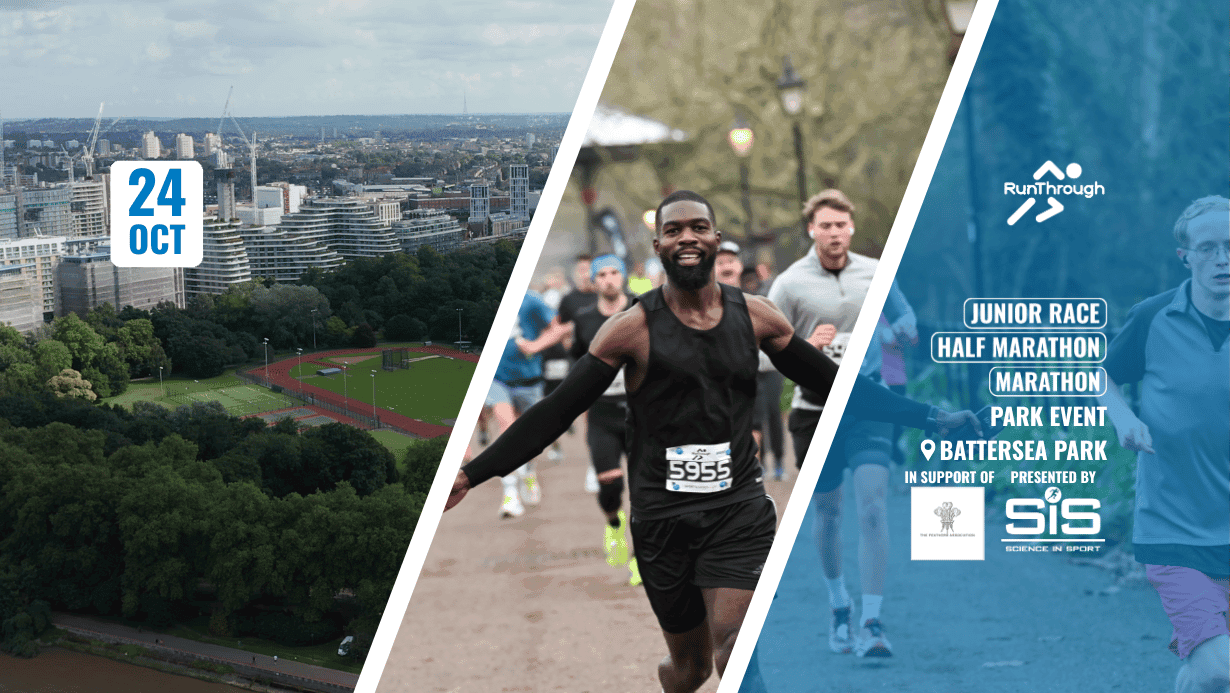
Battersea Park Running Festival Presented by Science in Sport October 2026
Sat, 24 Oct 2026 · Battersea Park
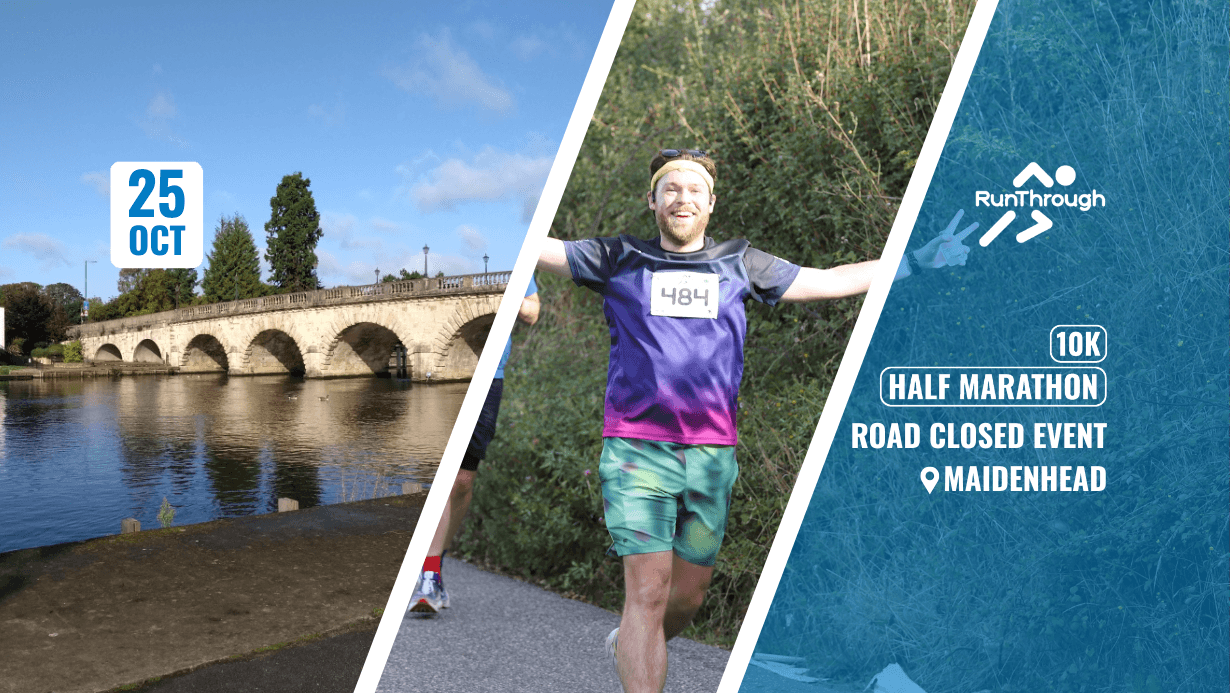
Maidenhead Half Marathon October 2026
Sun, 25 Oct 2026 · 1 Moorfield Terrace, Maidenhead
November 2026
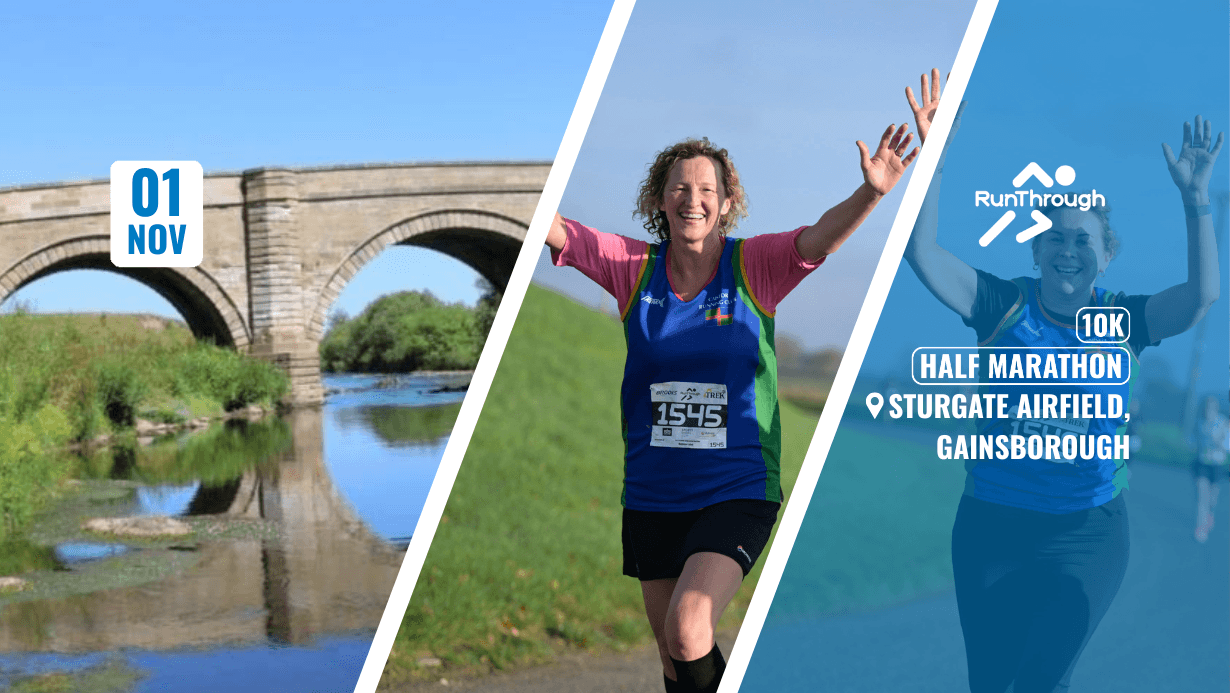
Gainsborough 10k & Half Marathon November 2026
Sun, 1 Nov 2026 · Gainsborough
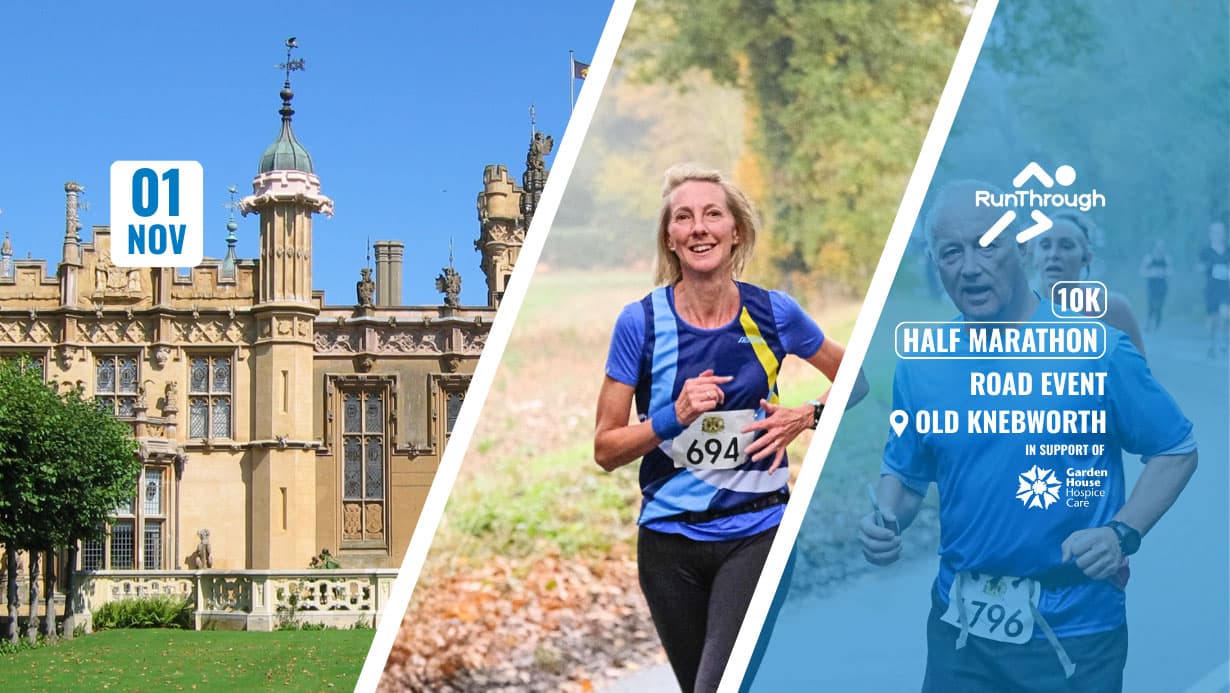
Hertfordshire Half Marathon & 10k November 2026
Sun, 1 Nov 2026 · Old Knebworth Ln
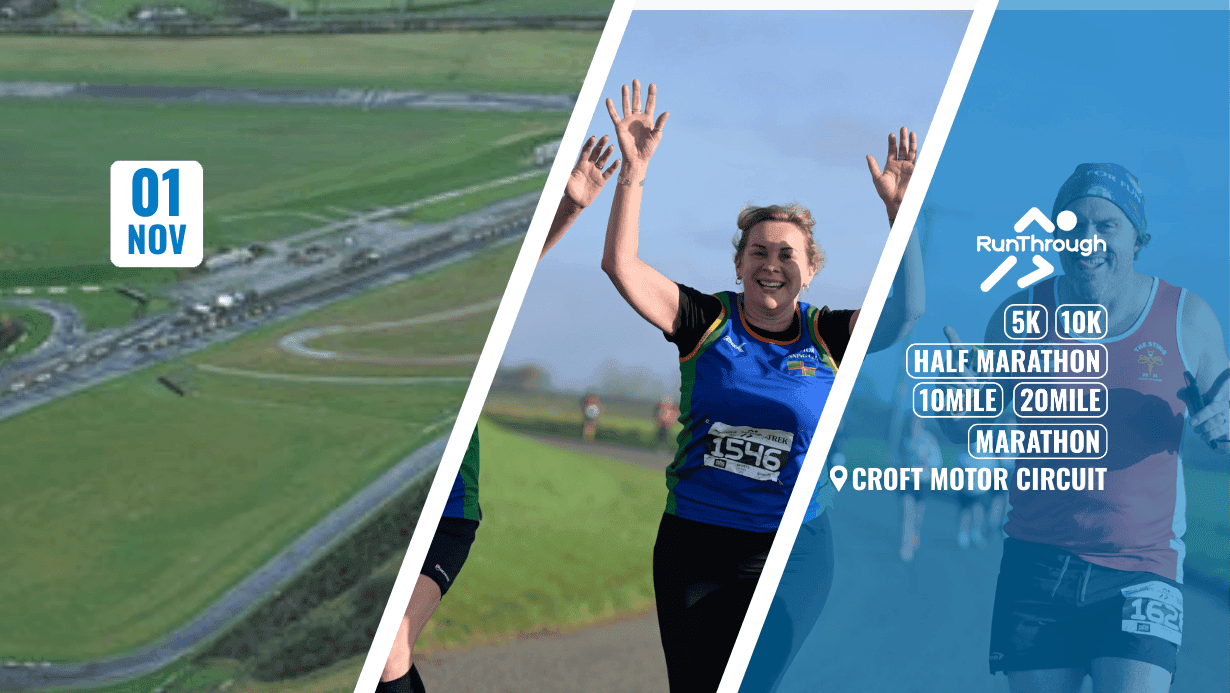
Running GP Croft Motor Circuit November 2026
Sun, 1 Nov 2026 · Croft Motor Circuit
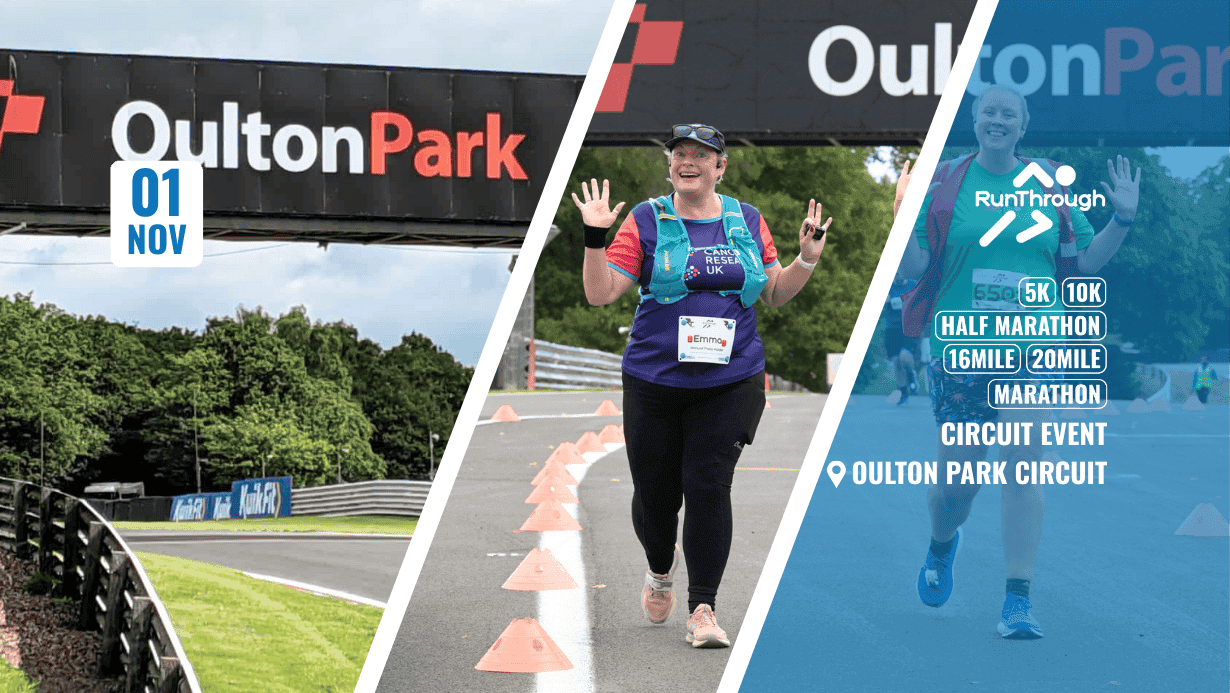
Running GP Oulton Park November 2026
Sun, 1 Nov 2026 · Oulton Park Race Circuit
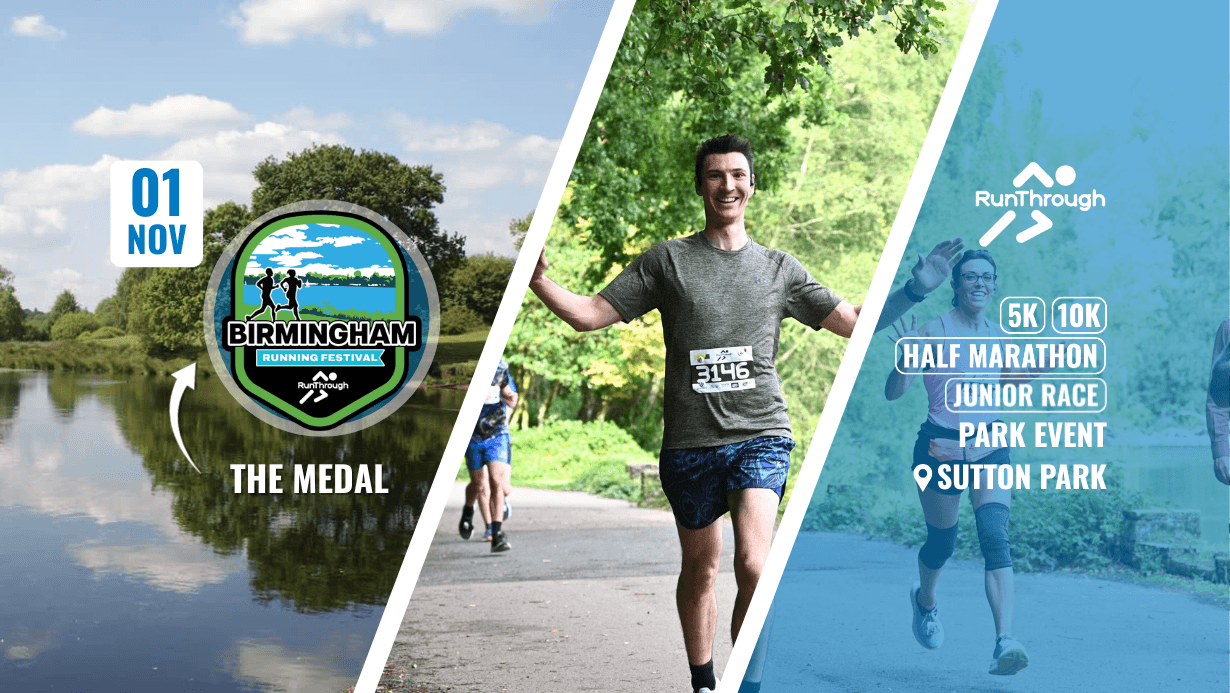
Birmingham Running Festival November 2026
Sun, 1 Nov 2026 · Sutton Park (Birmingham)
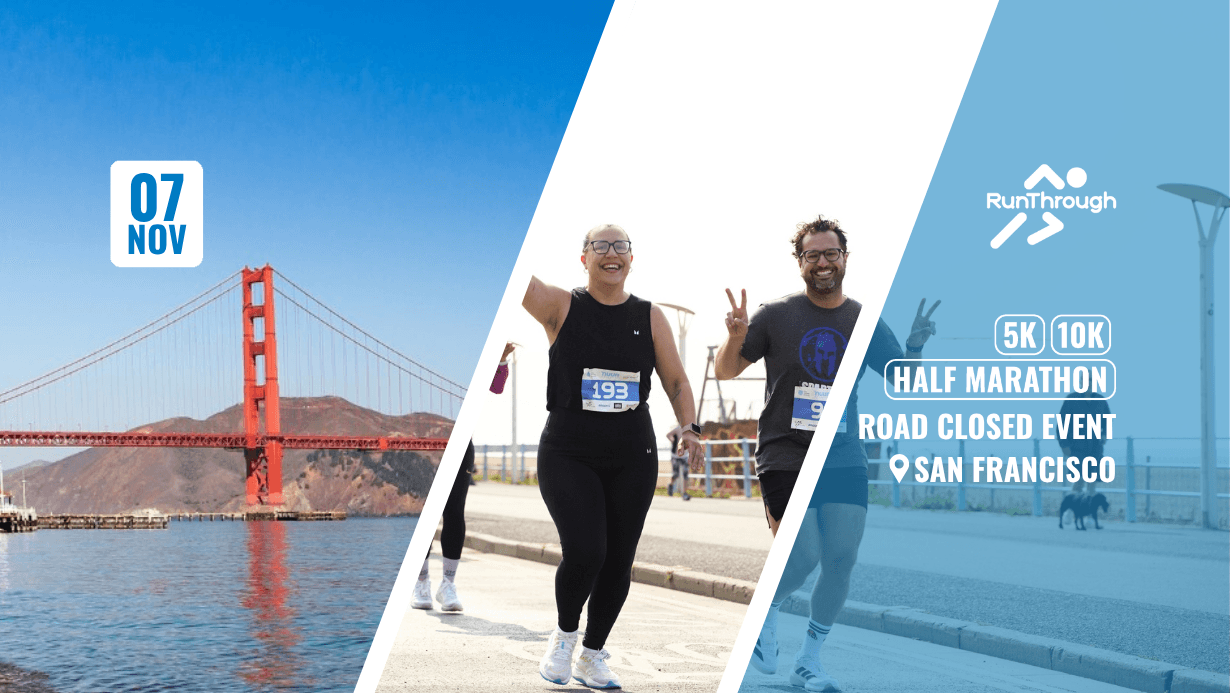
San Francisco Half Marathon, 10k & 5k at Crissy Field November 2026
Sat, 7 Nov 2026 · Crissy Field
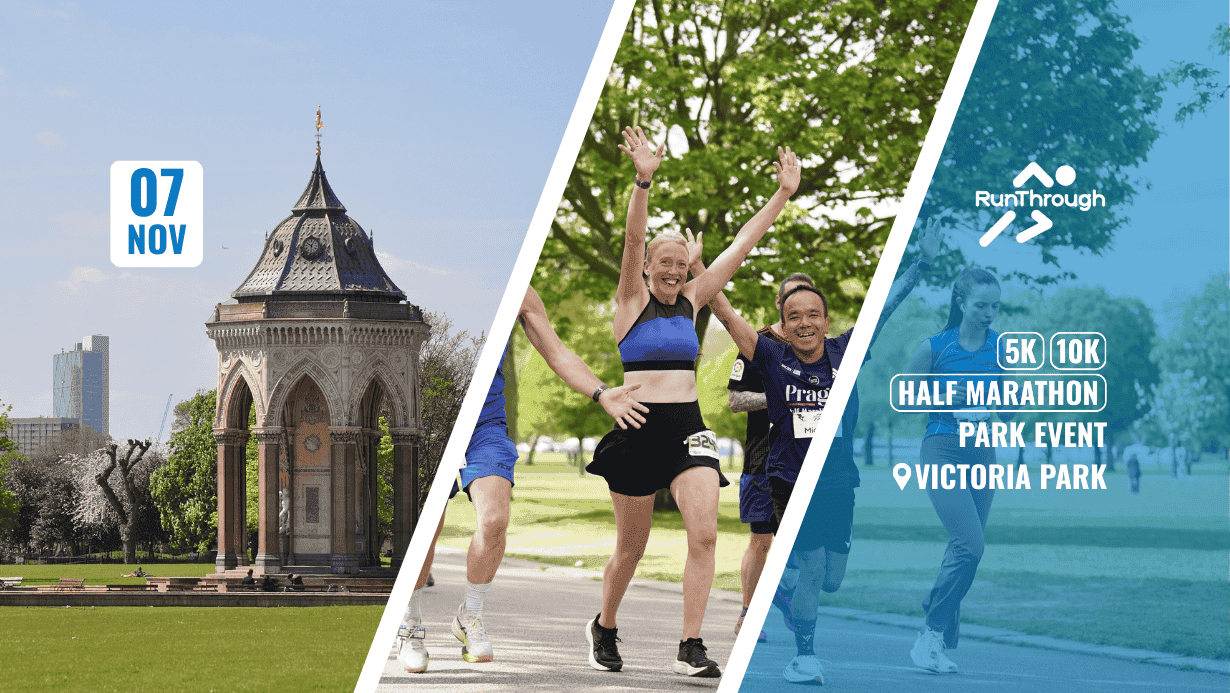
Victoria Park Half Marathon, 10k & 5k November 2026
Sat, 7 Nov 2026 · Victoria Park
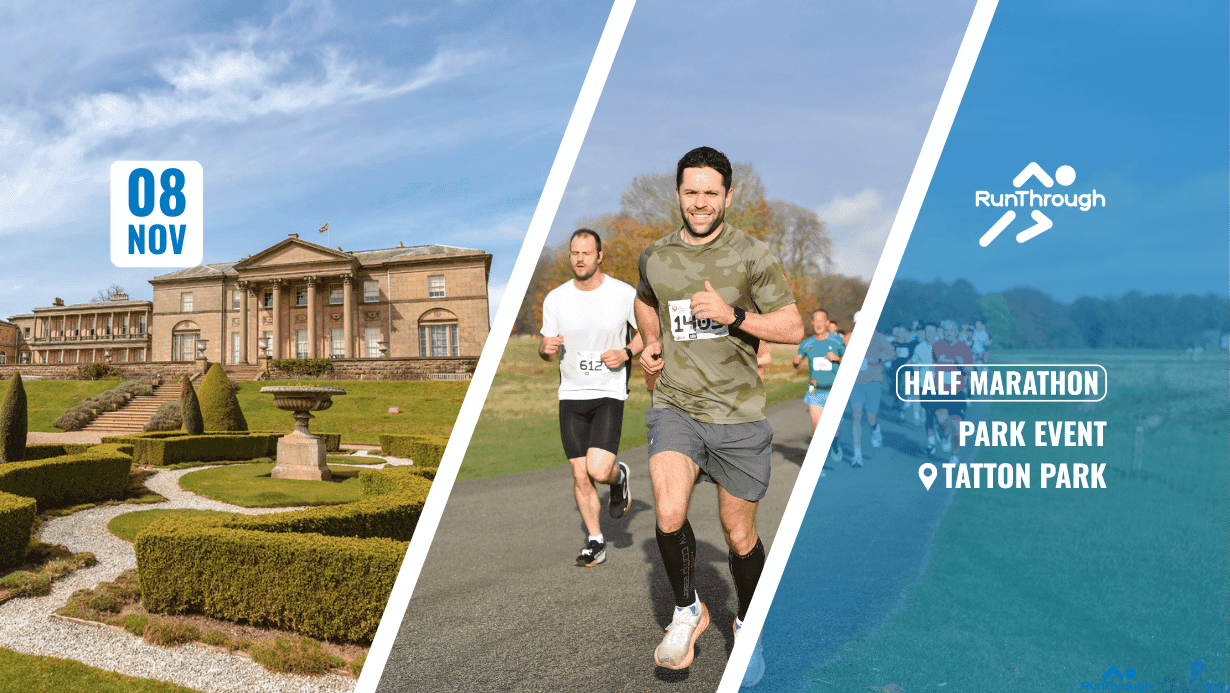
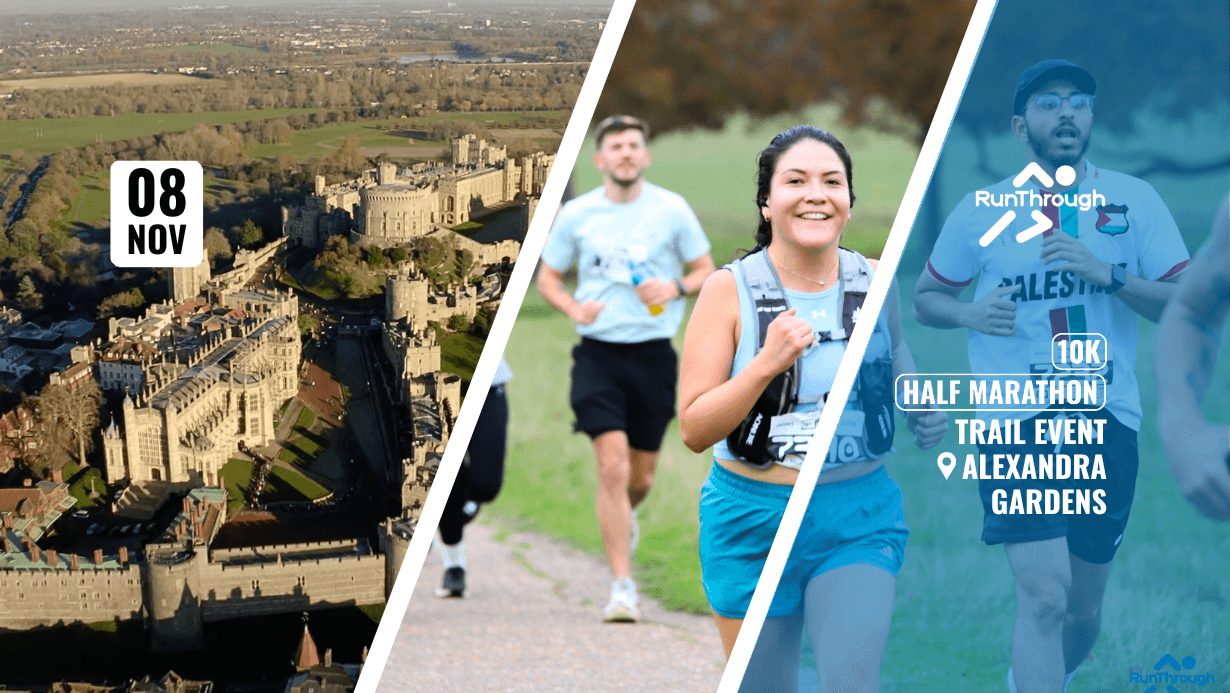
Windsor Trail Half Marathon & 10k November 2026
Sun, 8 Nov 2026 · Alexandra Gardens
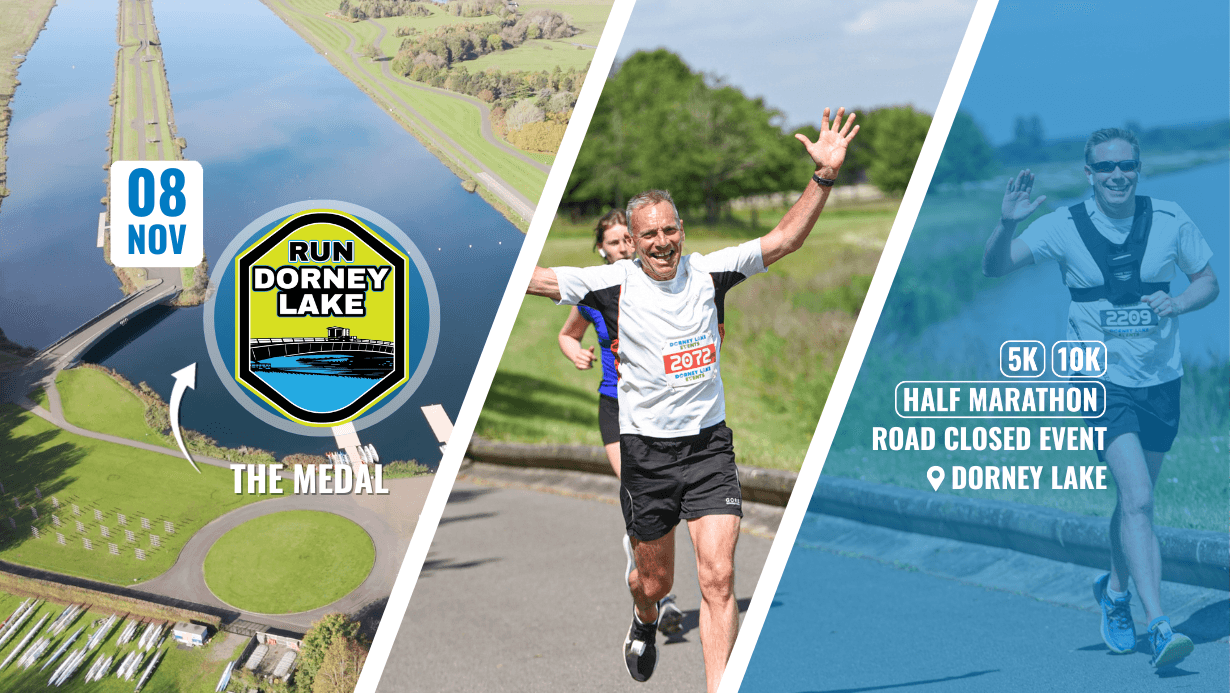
Run Dorney Lake Half Marathon, 10k & 5k November 2026
Sun, 8 Nov 2026 · Dorney Lake
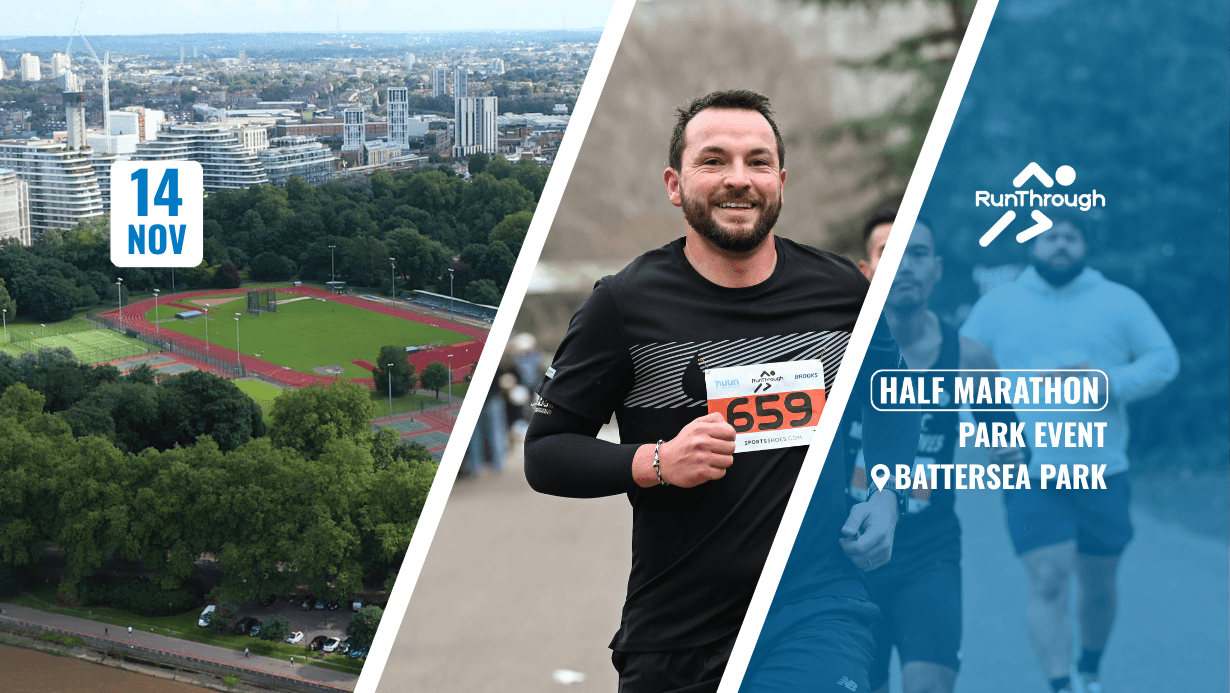
Battersea Park 5k, 10k & Half Marathon November 2026
Sat, 14 Nov 2026 · Battersea Park
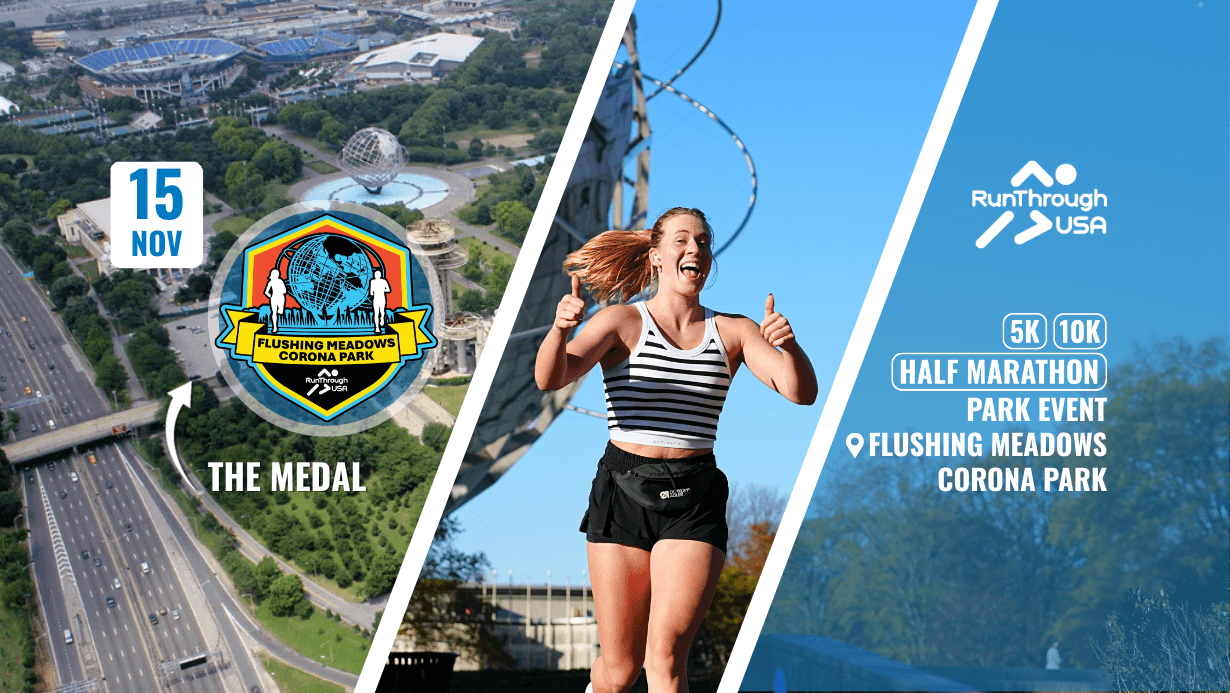
New York 5K, 10K & Half Marathon at Flushing Meadows Corona Park November 2026
Sun, 15 Nov 2026 · Flushing Meadows Corona Park
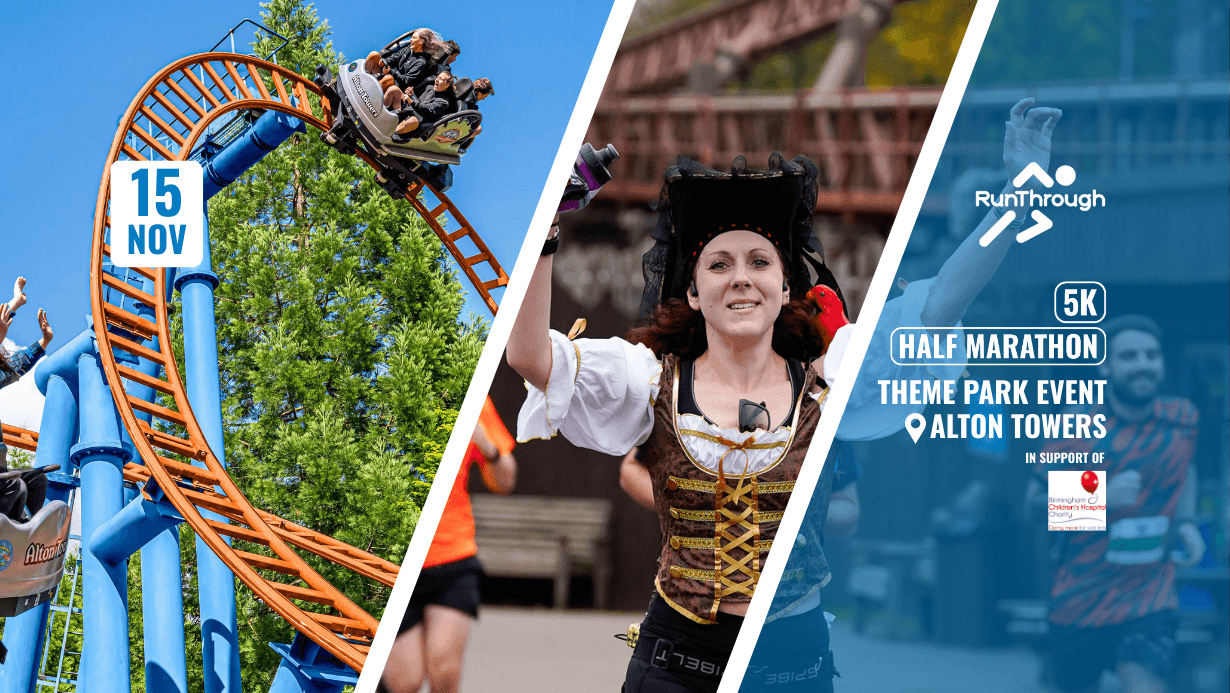
Run Alton Towers Half Marathon & 5k November 2026
Sun, 15 Nov 2026 · Alton Towers
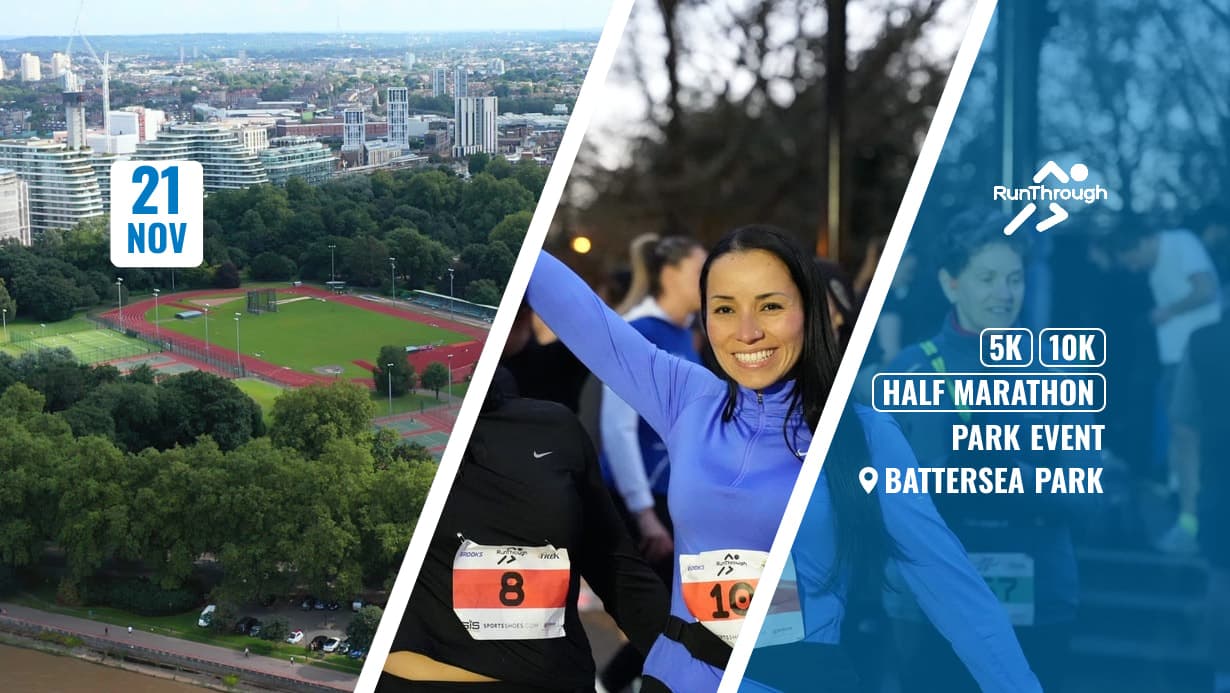
Battersea Park 5k, 10k & Half Marathon 21st November 2026
Sat, 21 Nov 2026 · Battersea Park
More about Half Marathon
UK Half Marathons
Whether it’s your first time tackling the half, or you’re a seasoned veteran warming up for a full marathon – a UK Half Marathon is a worthy challenge. Running a half marathon isn’t easy, but here at Run Through UK, we know you’re going to be hooked (or already are hooked!). For every runner, a half marathon should be on their bucket list – or at least a stepping stone on the way to a full marathon.
Challenge Yourself with Half Marathon
With RunThrough UK
A Half Marathon is the logical next move once you’ve conquered the 5k and 10km, and a worthy challenge for every runner; new or veteran. It’s our mission to bring you accessible, well run races to help you live out your passion and conquer your goals.
Half Marathon UK’s Premiere Running Event Organiser
As one of the UK’s best half marathon event organisers, we’re well prepared to give you a seamless, brilliant experience. All of the events you’ll find in our calendar are our own organised running events – we don’t sell places to other organisers’ half marathons.
This is so we can ensure you know what you’re getting when you run with us. We’ve worked hard to bring you a great range of running events around London and all through the UK. Whether you’re an experienced runner, a fitness enthusiast or just getting started, you’ll find yourself challenged and supported.
Run with us!
Frequently Asked Questions
Our Partners










Join the RunThrough Newsletter
Be a Part of the RunThrough community
Sign up below to receive the latest news, content and partner offers from the RunThrough community.