Marathons UK 2026-27 - Find a marathon near you
Marathon

Marathon

Searching for Marathon runs & race events in the UK? RunThrough UK has the perfect Marathon run for you! Whether you are a first-timer or a seasoned veteran we got you sorted.
Explore Marathon Races

Search for your next event

Event Name Or Venue
Event Date
Date
Select A Date

Find an Event

Search for Events in Your Local Area

Events

13 events

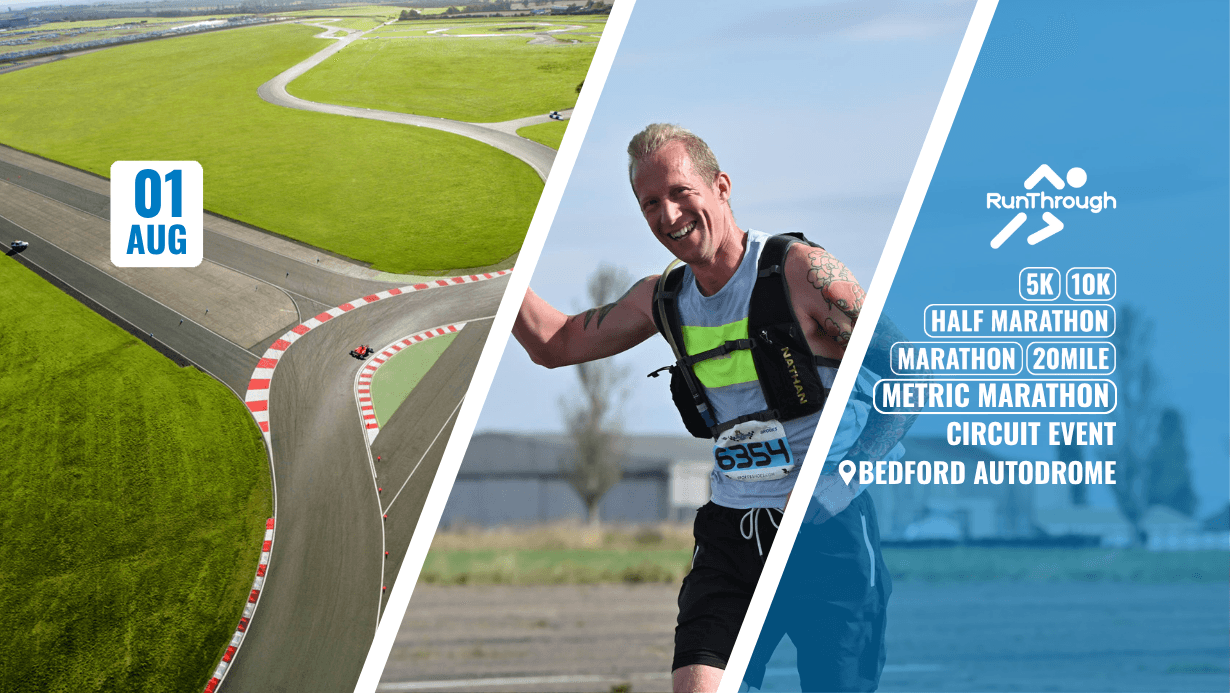
Running GP Bedford Autodrome August 2026

Sun, 2nd Aug, 2026

£28 - £80

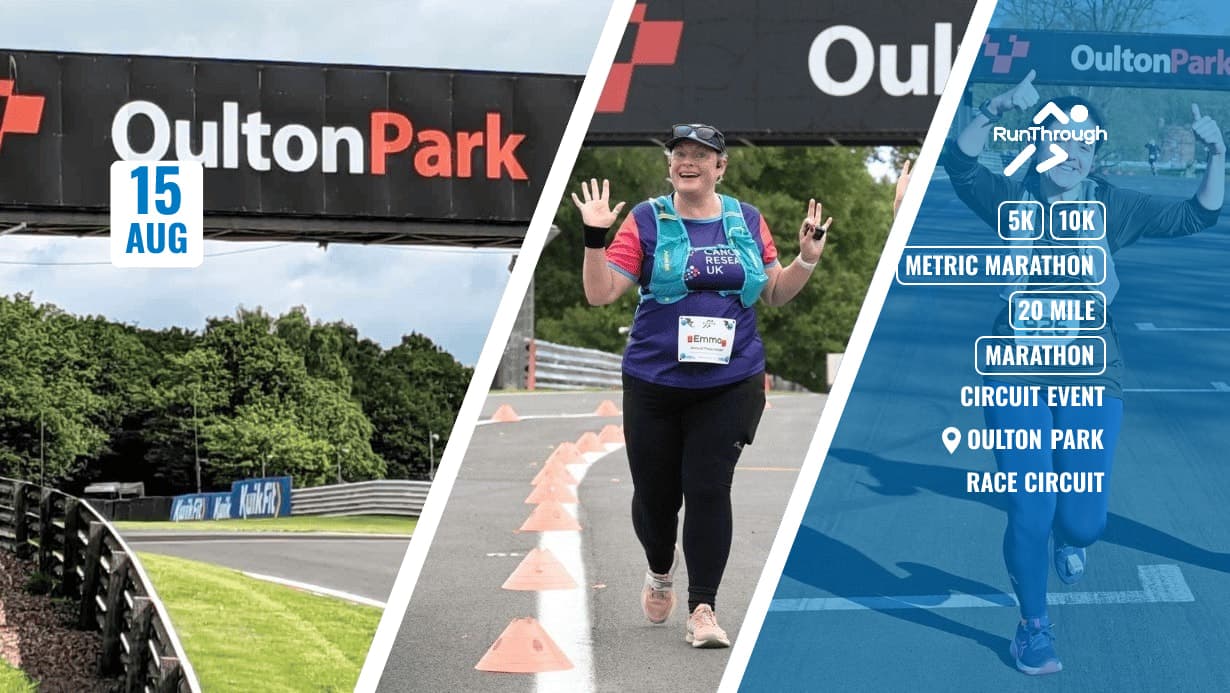
Running GP Oulton Park August 2026

Sun, 16th Aug, 2026

£28 - £80

Run Dorney Lake Marathon, Half Marathon, 10k & 5k September 2026

Sat, 26th Sep, 2026

£28 - £40

Running GP at Goodwood Motor Circuit October 2026

Sun, 11th Oct, 2026

£28 - £80

Alton Towers Running Events

2026 MBNA Chester Marathon

Sun, 11th Oct, 2026

£65

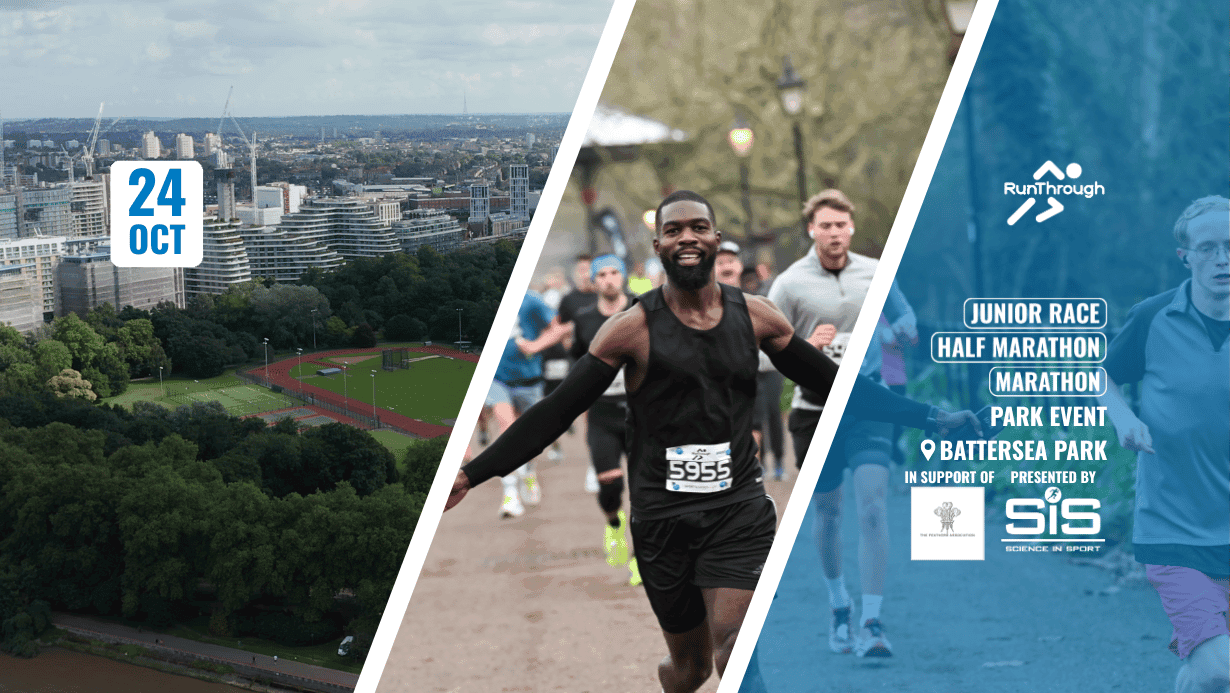
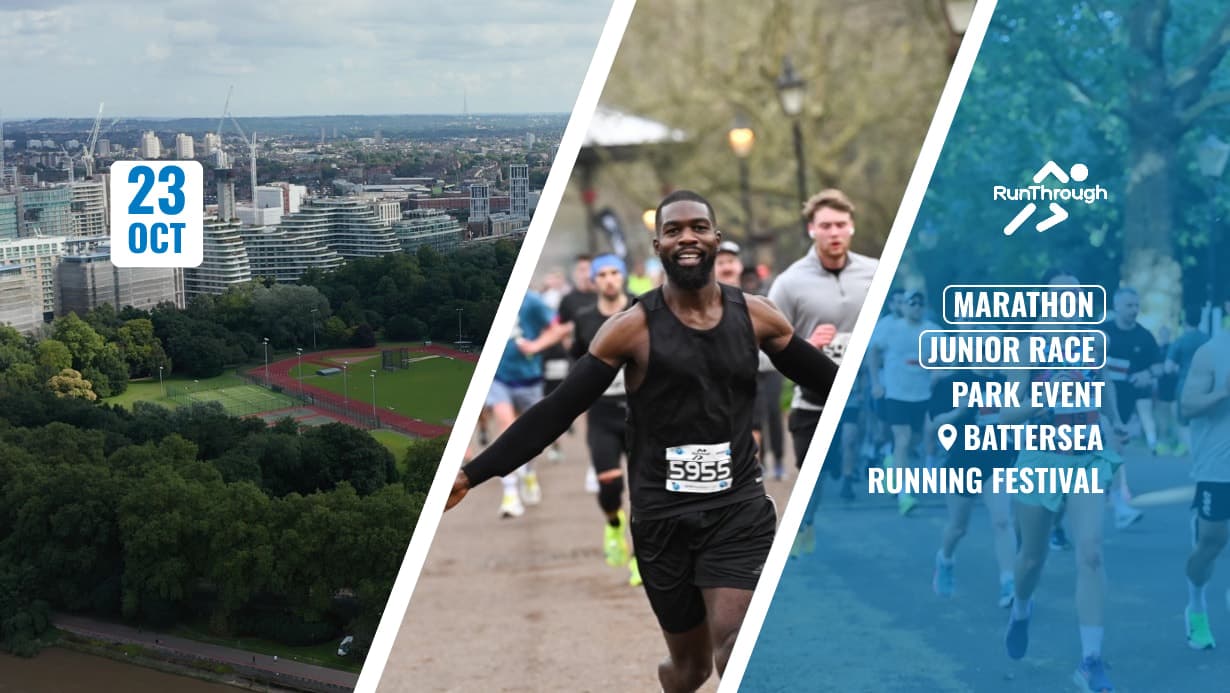
Battersea Park Running Festival Presented by Science in Sport October 2026

Sat, 24th Oct, 2026

£10 - £80

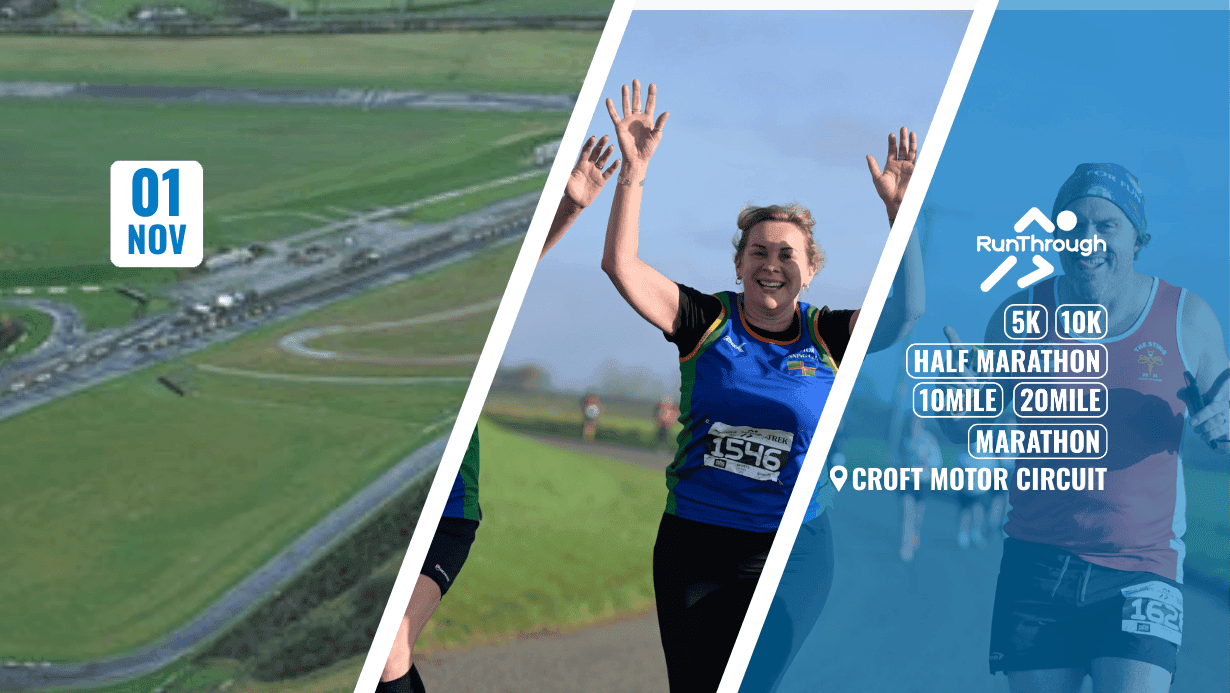
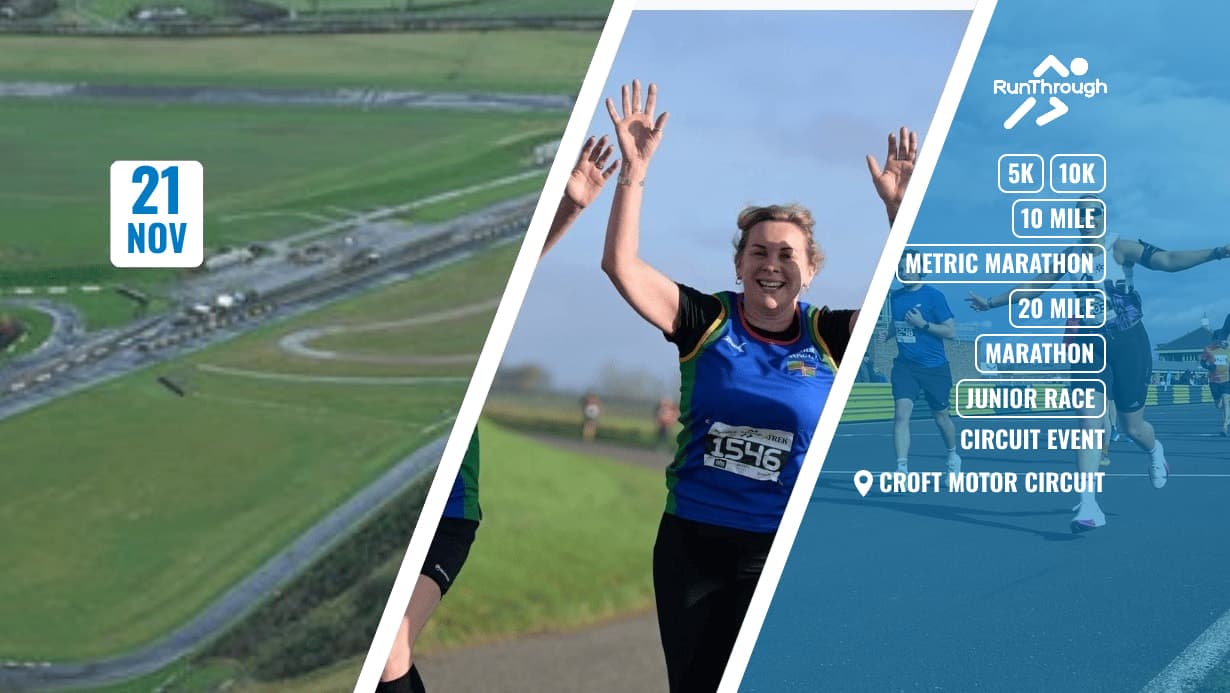
Running Gp Croft Motor Circuit November 2026

Sun, 1st Nov, 2026

£10 - £80

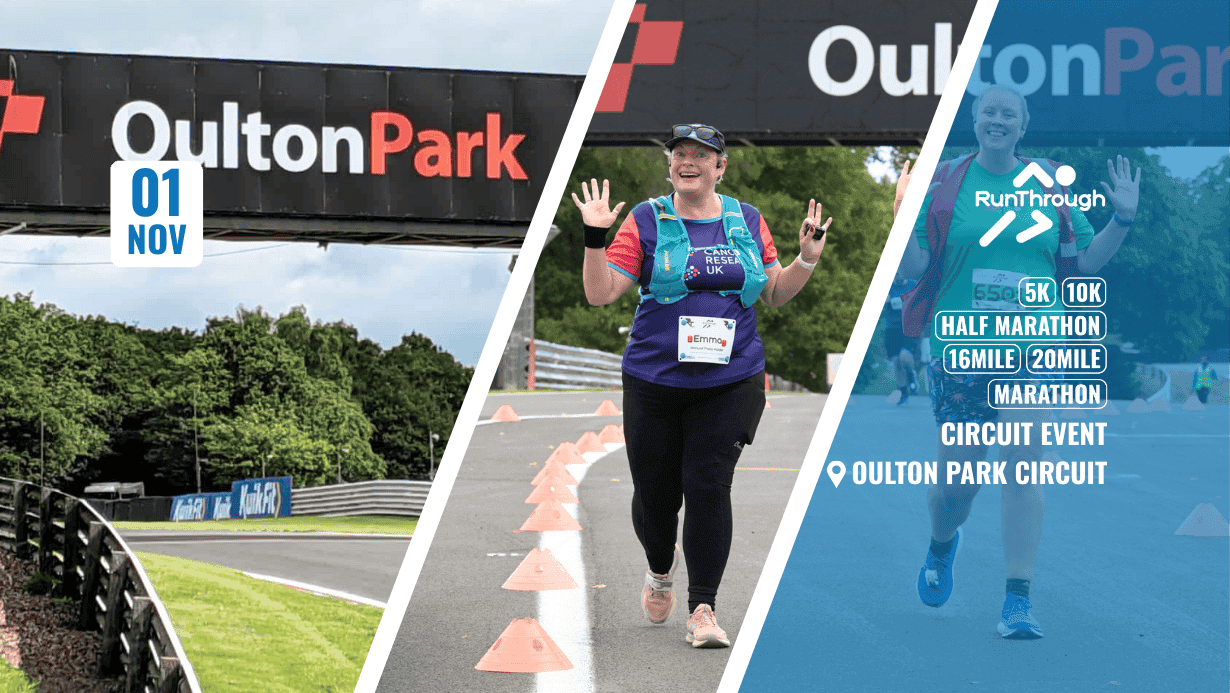
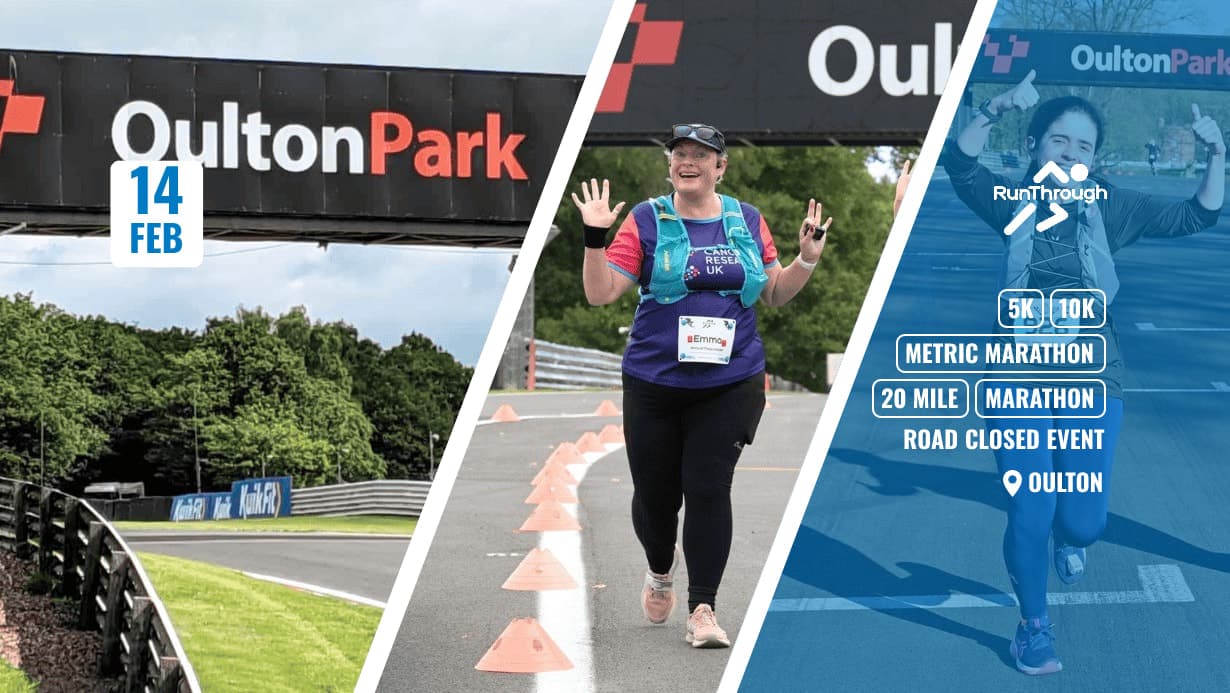
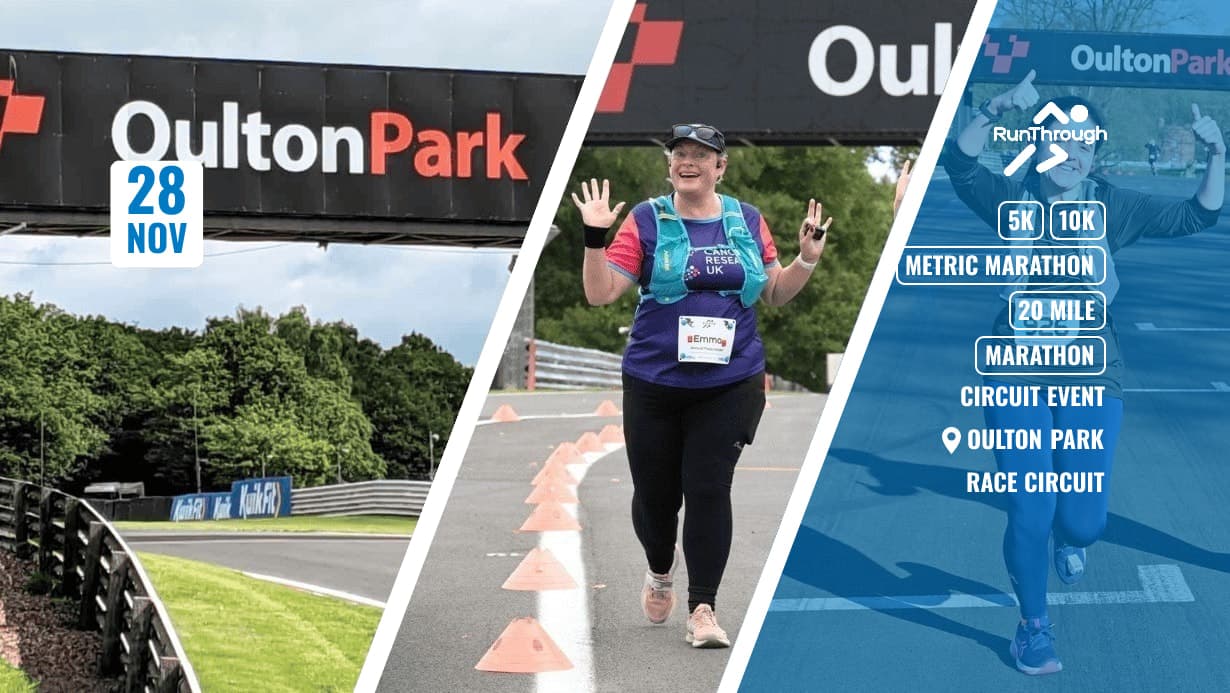
Running GP Oulton Park November 2026

Sun, 1st Nov, 2026

£28 - £80

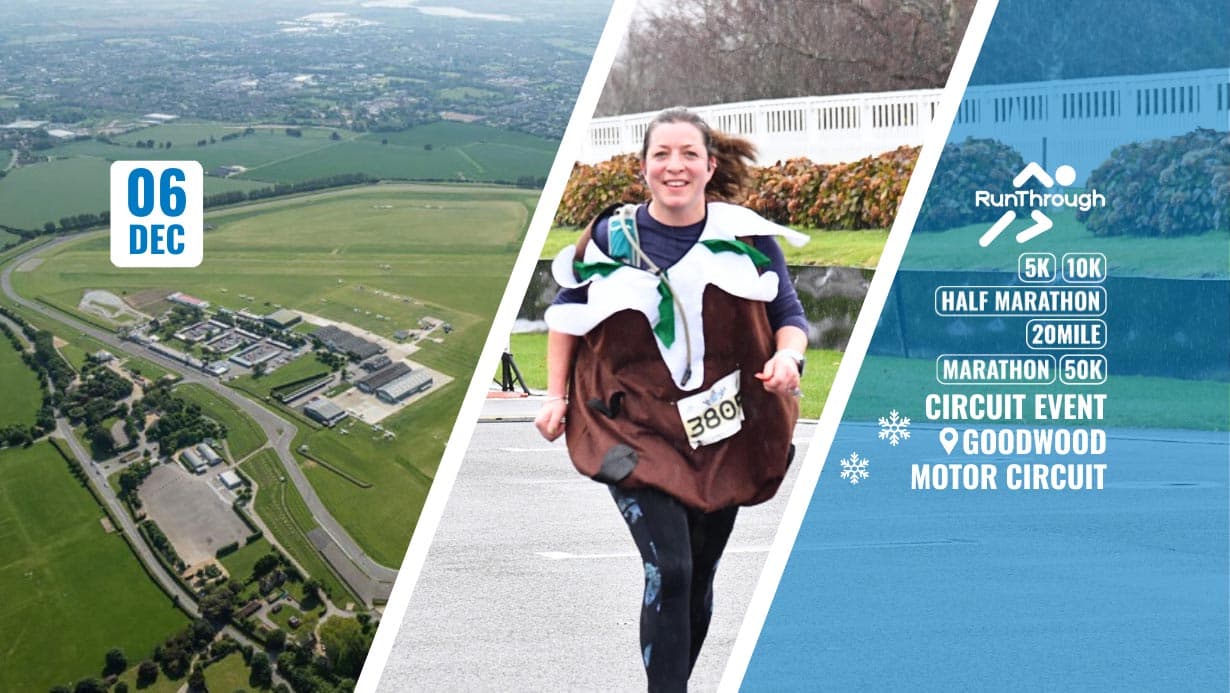
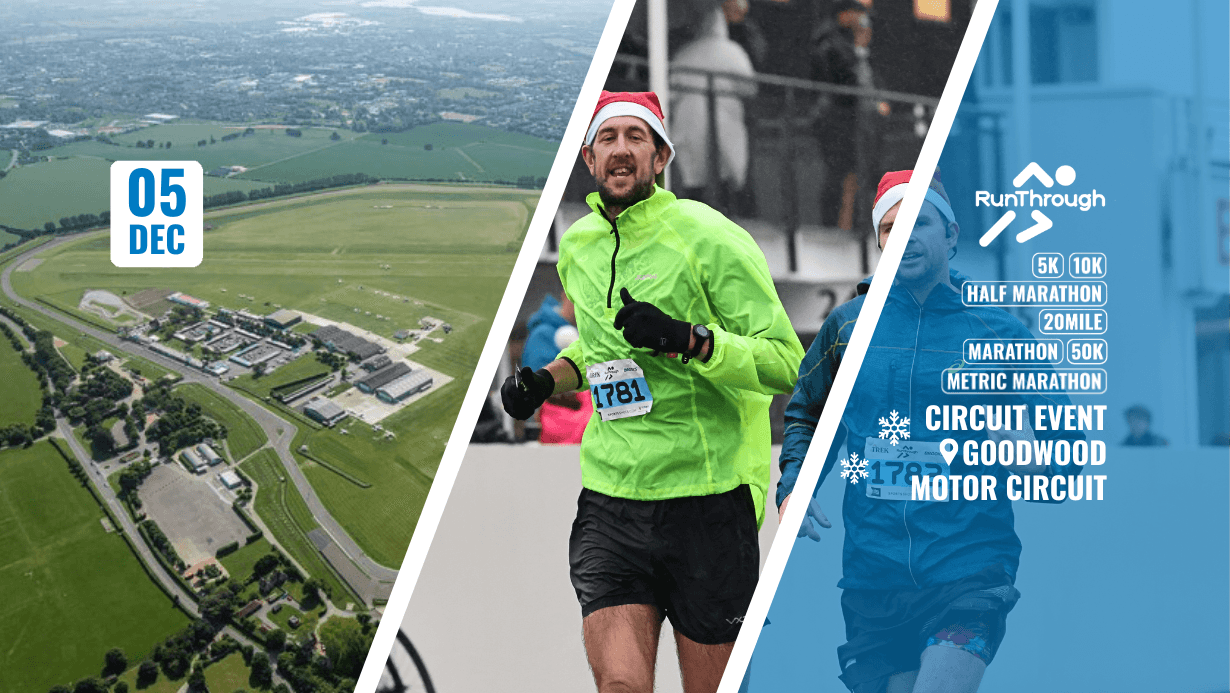
Running GP at Goodwood Motor Circuit December 2026

Sun, 6th Dec, 2026

£28 - £80

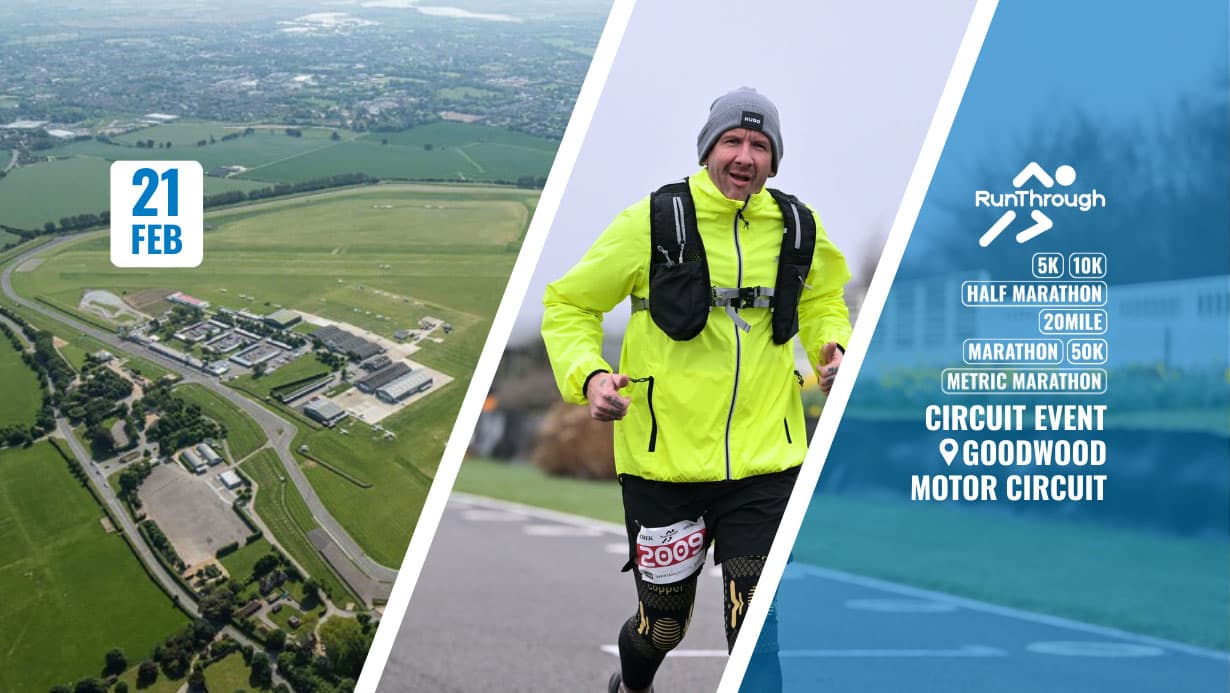
Running GP at Goodwood Motor Circuit February 2027

Sun, 21st Feb, 2027

£28 - £80

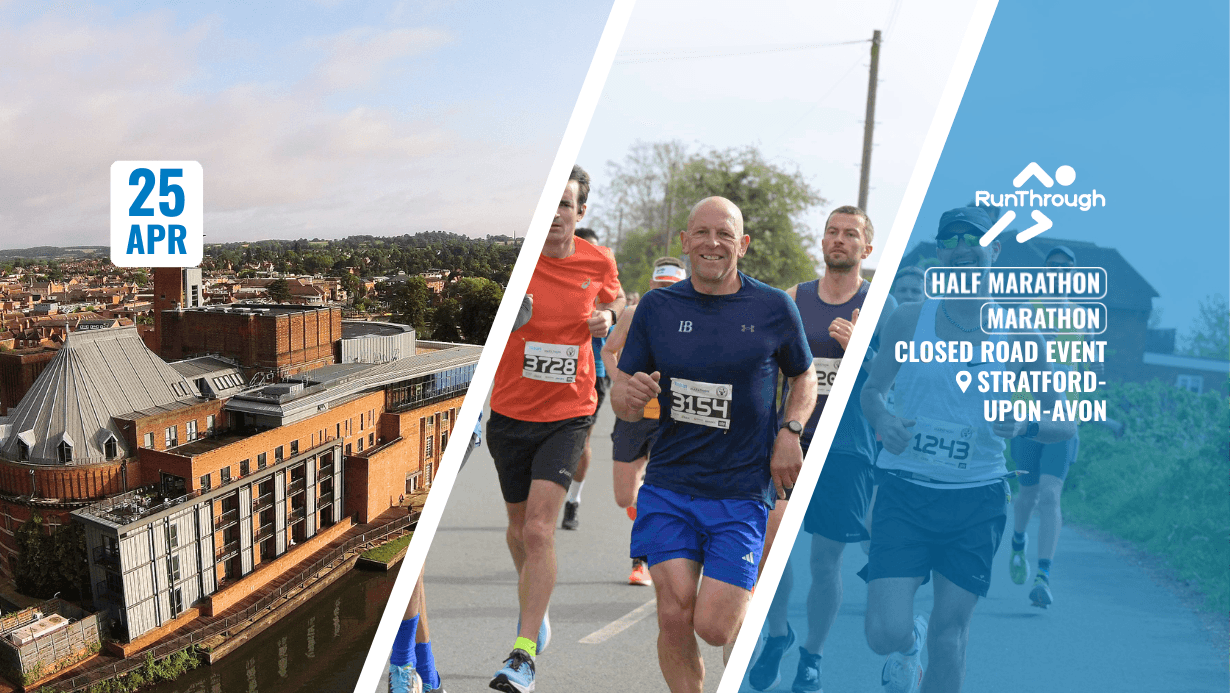
Shakespeare Marathon & Half Marathon April 2027

Sun, 25th Apr, 2027

£41 - £80

Fulham 10k November 2026

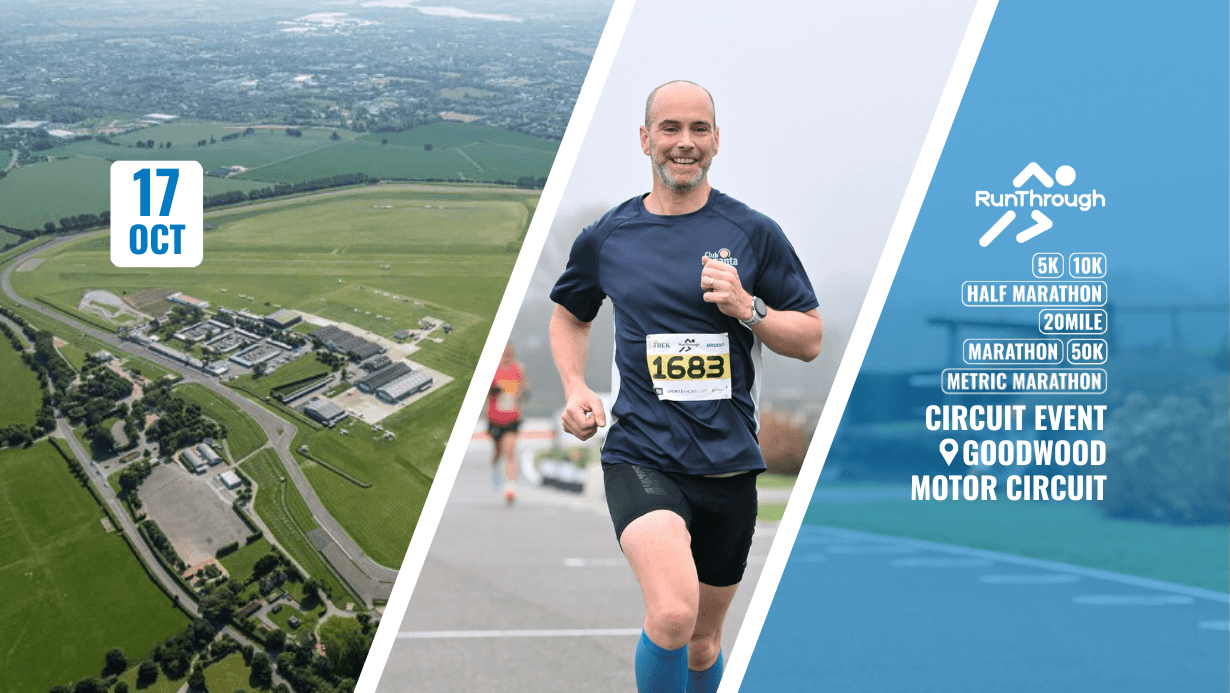
Running GP at Goodwood Motor Circuit October 2027

Sun, 17th Oct, 2027

£28 - £80

Running GP at Goodwood Motor Circuit December 2027

Sun, 5th Dec, 2027

£28 - £80

Frequently Asked Questions
Marathon FAQ
x
Can I run a marathon without ever running a half marathon first?

Yes, it’s possible to run a marathon without completing a half marathon first, but it’s not generally recommended for beginners. Half marathons provide valuable experience in pacing, fueling, and mental endurance that prepares runners for the longer demands of 26.2 miles. Attempting a marathon without this experience increases the risk of injury, burnout, or an overwhelming experience. If you are an experienced runner in terms of weekly mileage and long-distance stamina, structured marathon training may allow you to safely complete your first marathon. Training should gradually increase mileage and include long runs simulating race conditions. Running a marathon without half marathon experience requires careful attention to injury prevention, nutrition, and pacing, ensuring you can complete the distance safely while maintaining an enjoyable experience.

Are ultra marathons suitable for first-time marathoners?

Ultra marathons, distances beyond 26.2 miles, are generally not recommended for first-time marathoners. Ultras demand advanced endurance, mental resilience, nutrition management, and specialized training that surpasses the preparation required for a standard marathon. Attempting an ultra without prior marathon experience significantly increases risk of injury, fatigue, and inadequate pacing. First-time marathoners should focus on completing and understanding marathon-specific training, including long runs, fueling strategies, and recovery techniques. Once a runner has successfully completed multiple marathons and developed endurance, pacing skills, and race-day strategy, moving to ultra distances becomes feasible. While adventurous, jumping straight into an ultra can create discouragement or health issues, whereas progressing through standard marathon distances provides a safer, more sustainable approach for building experience and confidence for ultra events.

How do I prevent hitting the wall in a marathon?

“Hitting the wall” occurs when glycogen stores are depleted, causing sudden fatigue. Prevention starts with consistent long-run training that teaches the body to utilize fat efficiently and improves endurance. Carb loading 2–3 days before the marathon maximizes glycogen reserves. During the race, consume carbohydrates regularly, such as gels, chews, or sports drinks, every 45–60 minutes. Pacing is crucial—starting too fast accelerates glycogen depletion. Hydration supports energy metabolism and delays fatigue. Mental strategies like breaking the race into smaller segments or focusing on effort rather than distance help maintain motivation. Practicing fueling and pacing during training ensures your body is prepared for race conditions. By combining structured training, proper nutrition, and disciplined pacing, you minimize the risk of hitting the wall and sustain performance throughout the marathon.

How far in advance should I sign up for a big city marathon?

Big city marathons often fill months in advance due to high demand, so registering early is crucial. Typically, entry opens six to twelve months before race day, sometimes requiring lotteries for extremely popular events. Signing up early allows for better planning, including travel arrangements, accommodations, and structured training schedules. Early registration may also secure lower entry fees. For first-time participants, early commitment provides motivation to follow a long-term training plan without last-minute pressure. Consider your fitness readiness and potential conflicts before committing. If a lottery system is in place, entering early ensures participation chances. Preparing for a large city marathon is a months-long process, so registering early aligns with the training cycle, helping you gradually build mileage, practice nutrition strategies, and mentally prepare for race day. Waiting too long may result in missing the opportunity altogether.

What’s the best time of year to run a marathon?

The best time of year to run a marathon depends on climate, training conditions, and personal preference. Spring and fall are usually ideal because temperatures are moderate, reducing the risk of overheating or freezing. Cooler conditions help maintain pace and reduce fatigue during long runs. Summer marathons can be challenging due to heat and humidity, requiring extra hydration and early morning starts. Winter races are feasible in mild climates but may require layered clothing, careful warming up, and attention to icy or slippery conditions. Seasonal timing also affects training; ensure your long-run schedule avoids extreme weather. Consider daylight hours, race crowds, and travel logistics as well. Ultimately, the best season balances comfortable weather for race day with a safe, effective training period leading up to the marathon.