
Event Timeline
· 357 upcoming events across the UK
Find a 10k race, run a 5k event or take on the Half Marathon distance. RunThrough has the UK’s largest selection of running events.
895 races · 357 events found
October 2026


RunThrough Trails Berchtesgaden October 2026
Sat, 17 Oct 2026 · AlpenCongress Berchtesgaden
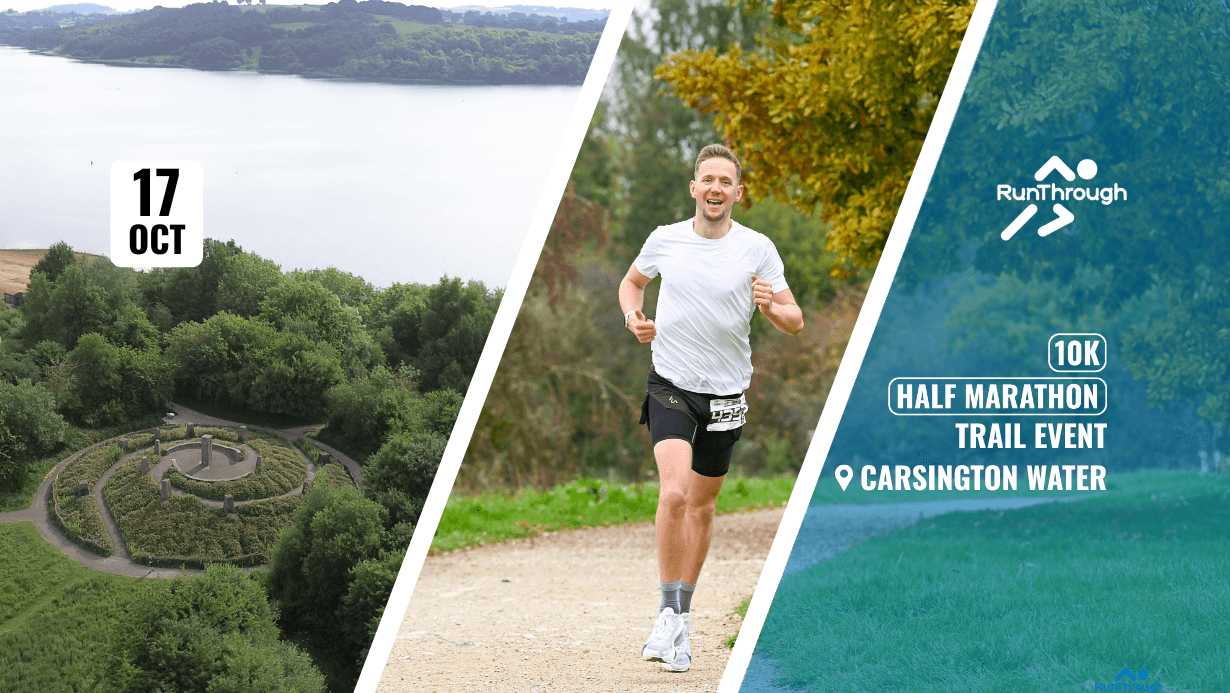
Carsington Water Trail Half Marathon & 10k October 2026
Sat, 17 Oct 2026 · Carsington Water
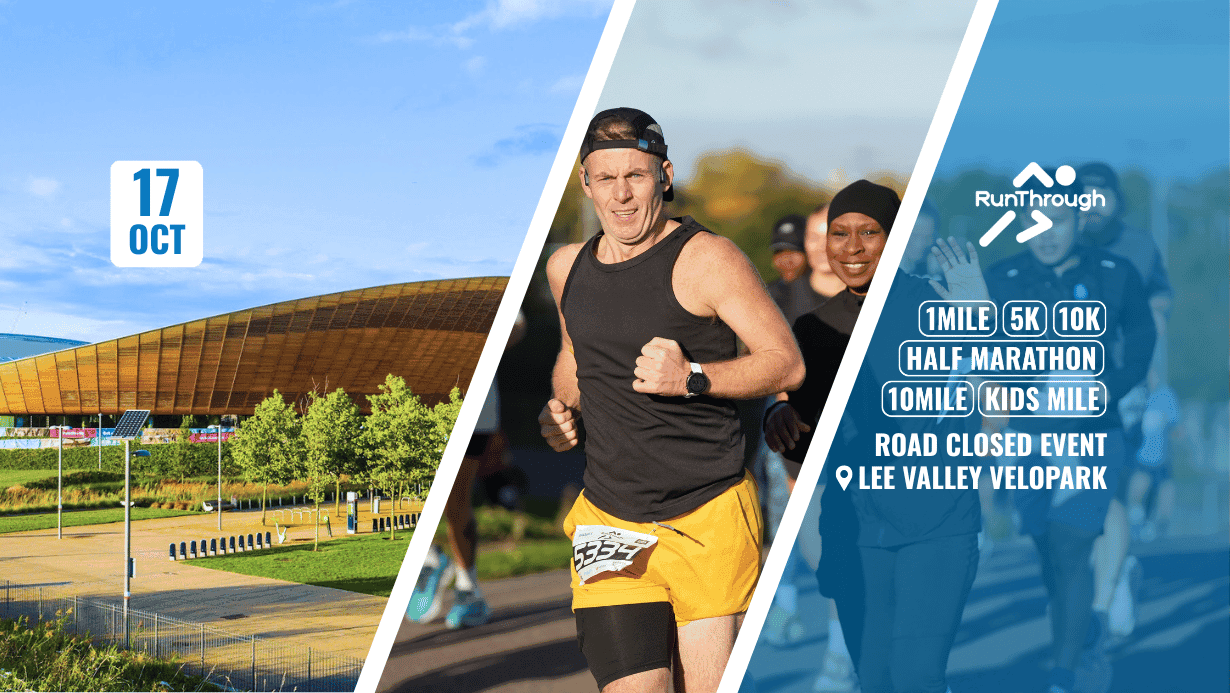
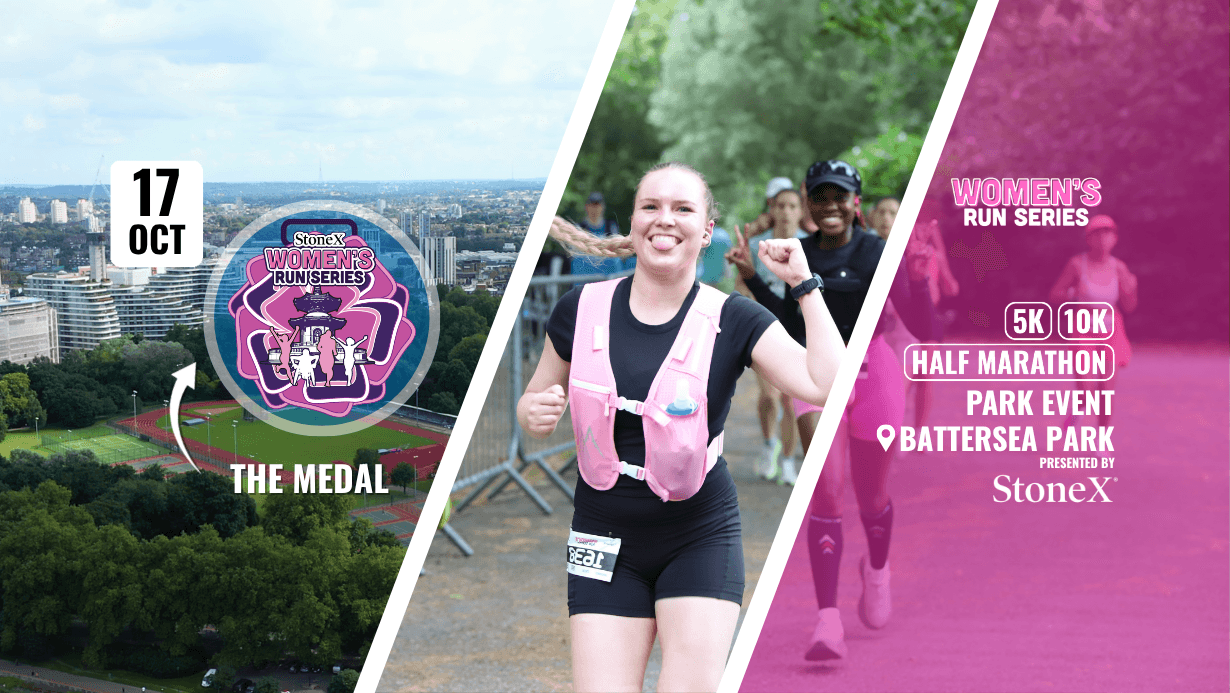
Women's Run Series Battersea Powered by StoneX October 2026
Sat, 17 Oct 2026

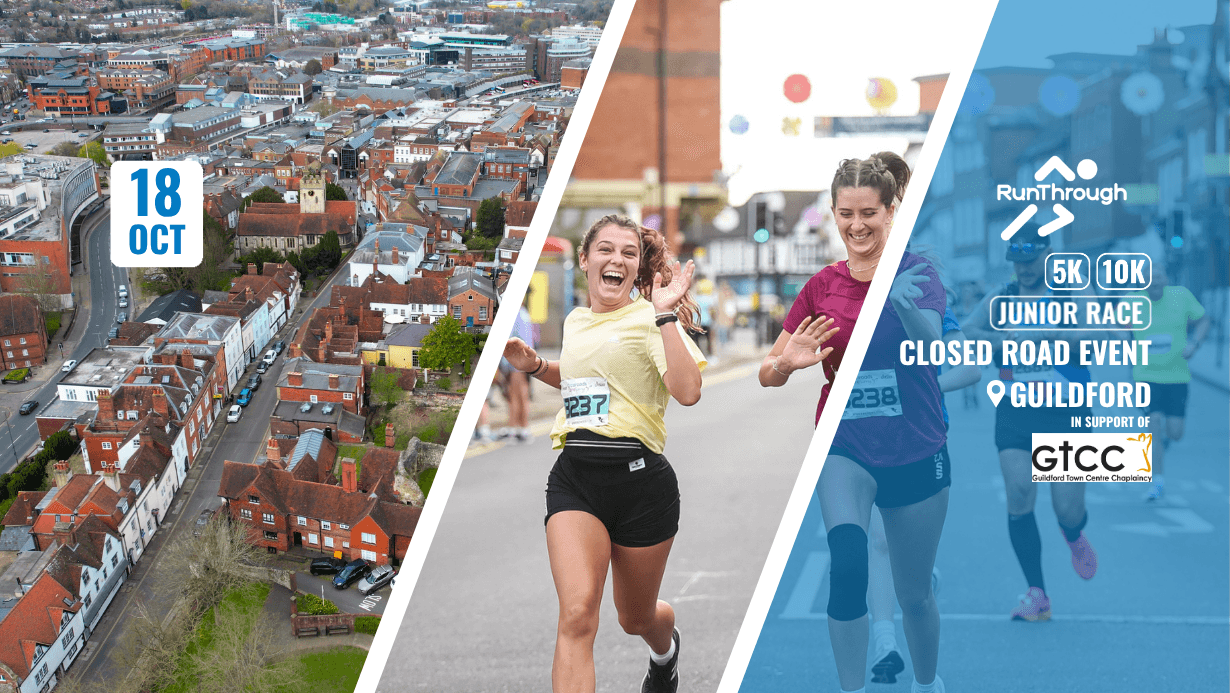
Guildford 5k, 10k & Juniors October 2026
Sun, 18 Oct 2026 · Guildford High Street
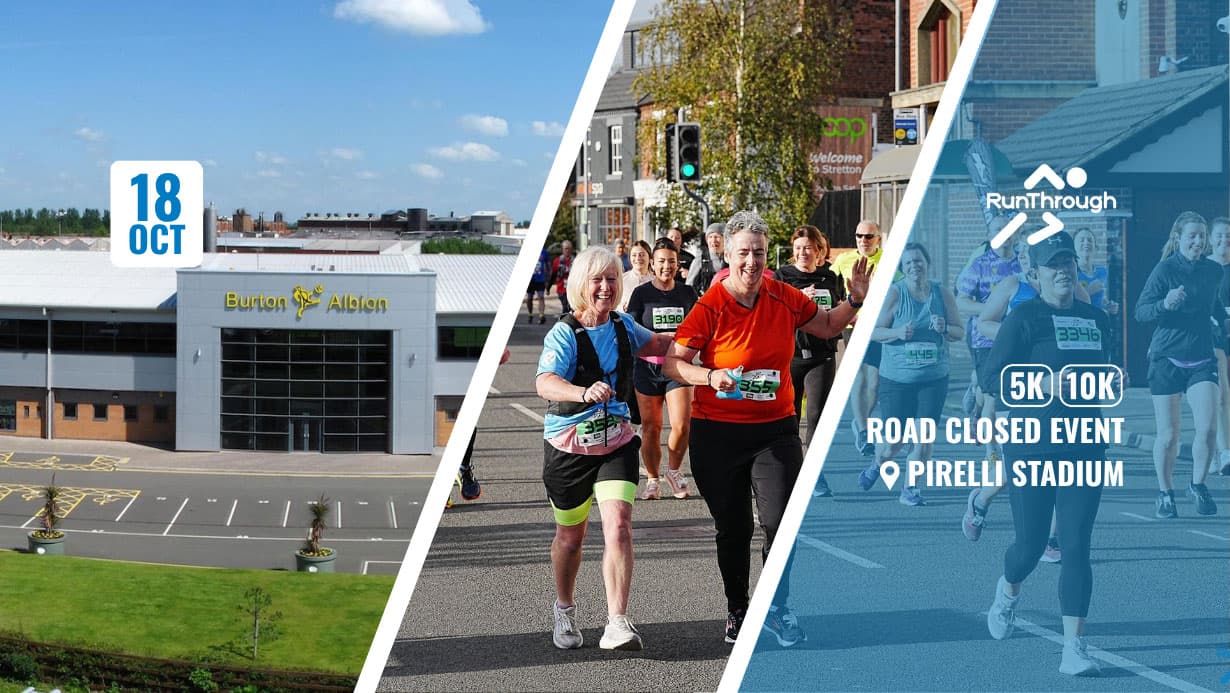
Brewers 10k & 5k October 2026
Sun, 18 Oct 2026 · Pirelli Stadium Princess Way, Princess Way, Burton-on-Trent DE13 0AR
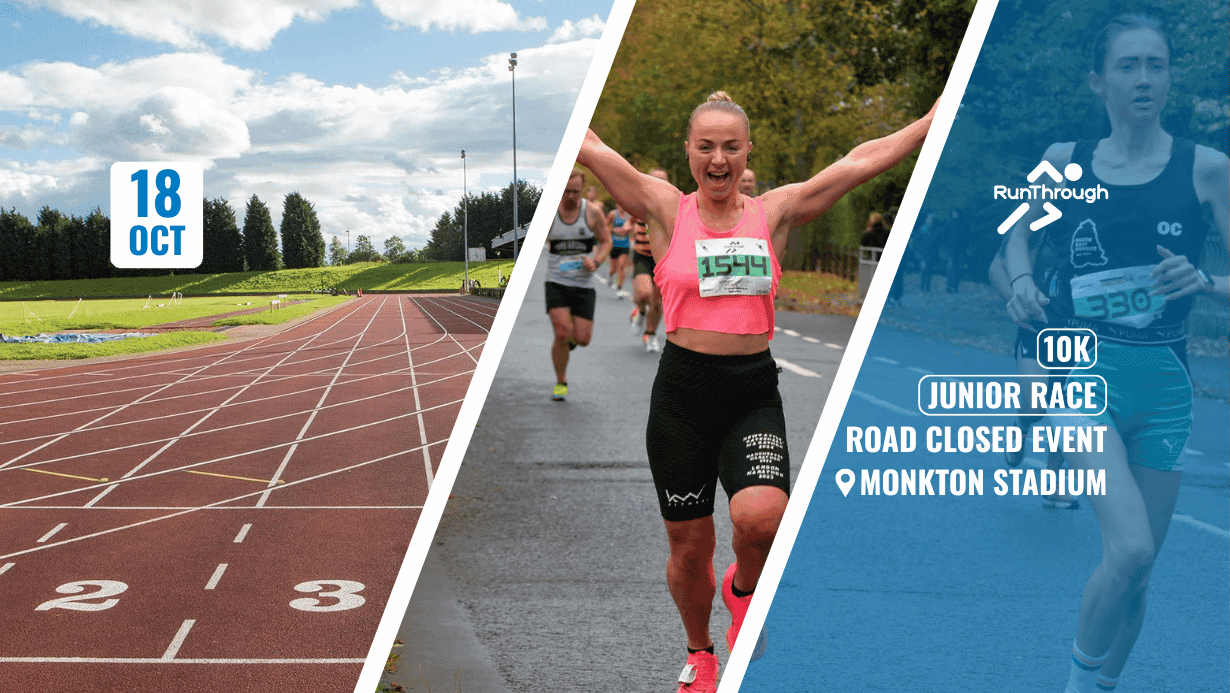
Jarrow 10k & Junior Race October 2026
Sun, 18 Oct 2026 · Monkton Stadium, Jarrow
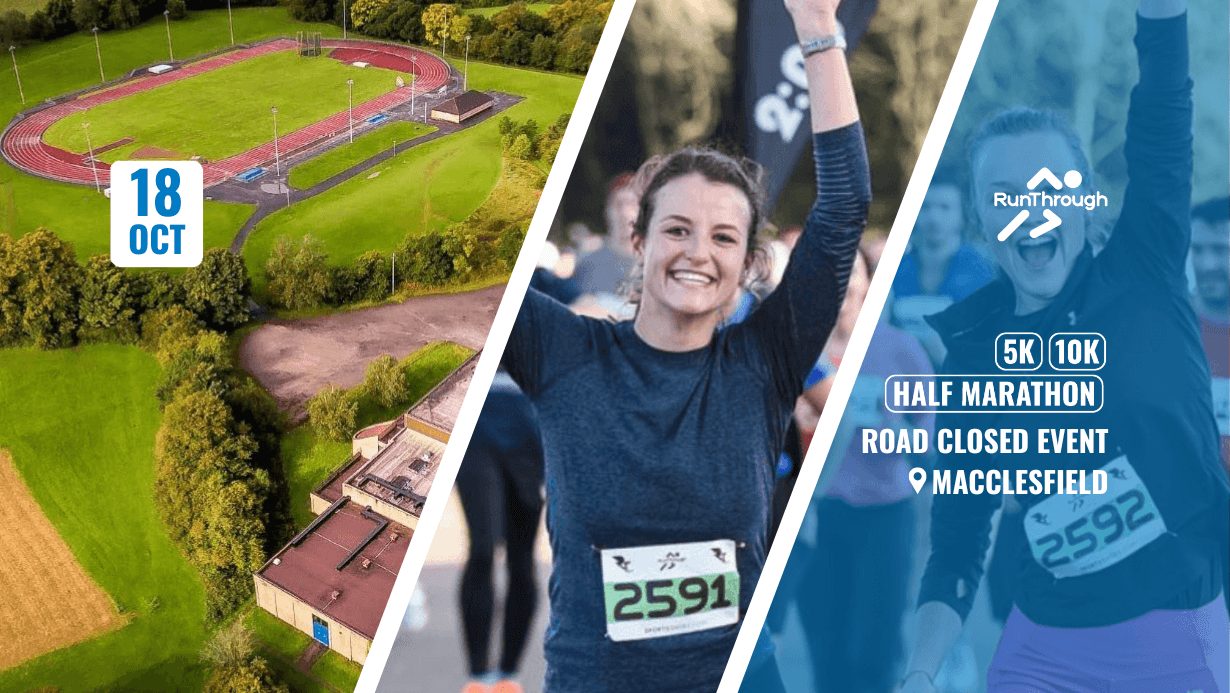
Macclesfield Running Festival October 2026
Sun, 18 Oct 2026 · Priory Ln, Macclesfield
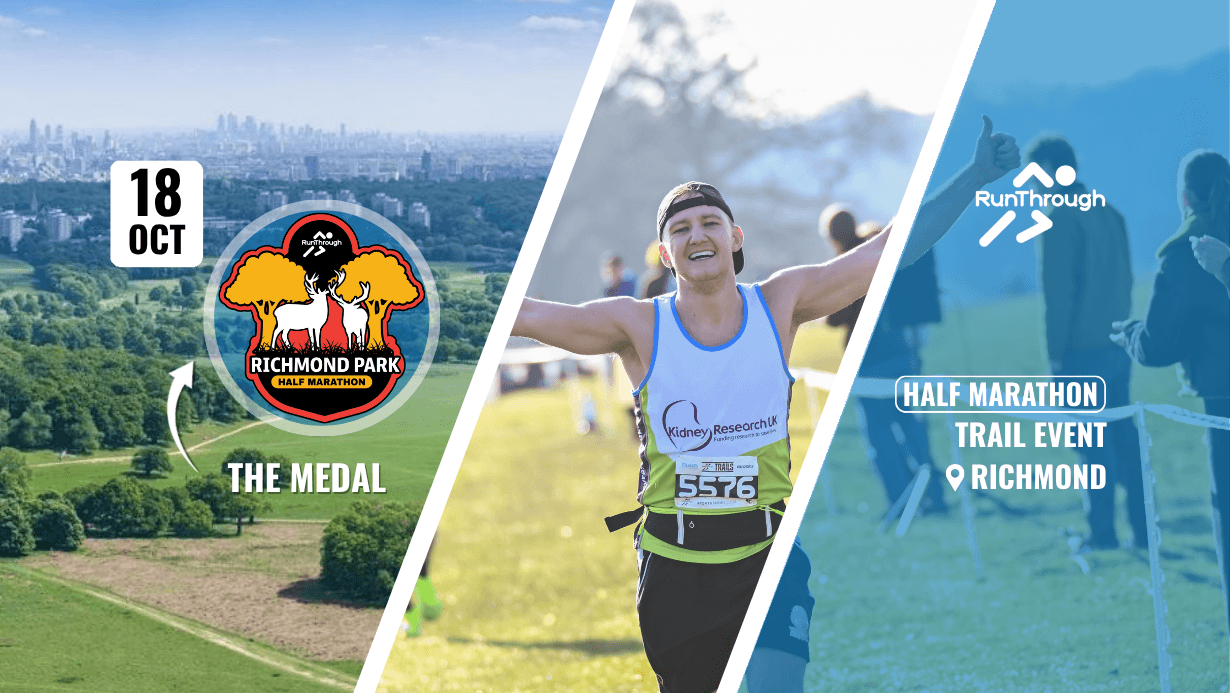

RunThrough Trails Ascona-Locarno 2026
Sat, 24 Oct 2026 · Largo Franco Zorzi, Locarno
Long Beach 5K, 10K & Half Marathon October 2026
Sat, 24 Oct 2026 · Shoreline Aquatic Park
Battersea Park Running Festival Presented by Science in Sport October 2026
Sat, 24 Oct 2026 · Battersea Park

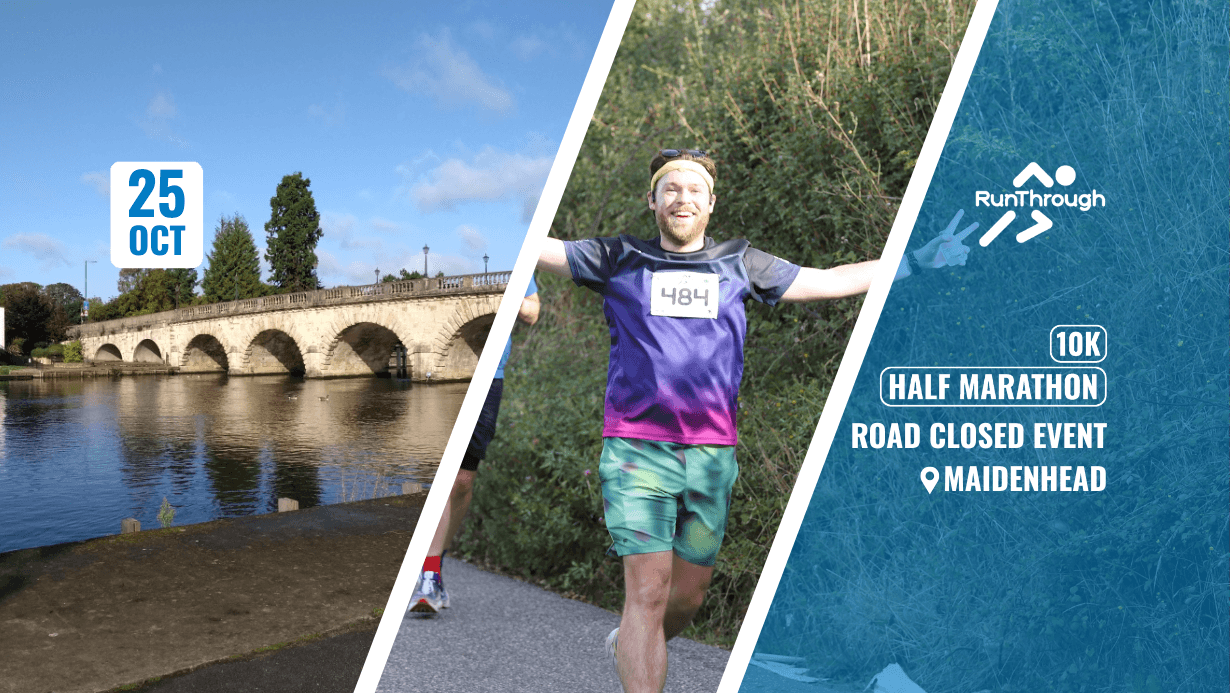
Maidenhead Half Marathon October 2026
Sun, 25 Oct 2026 · 1 Moorfield Terrace, Maidenhead
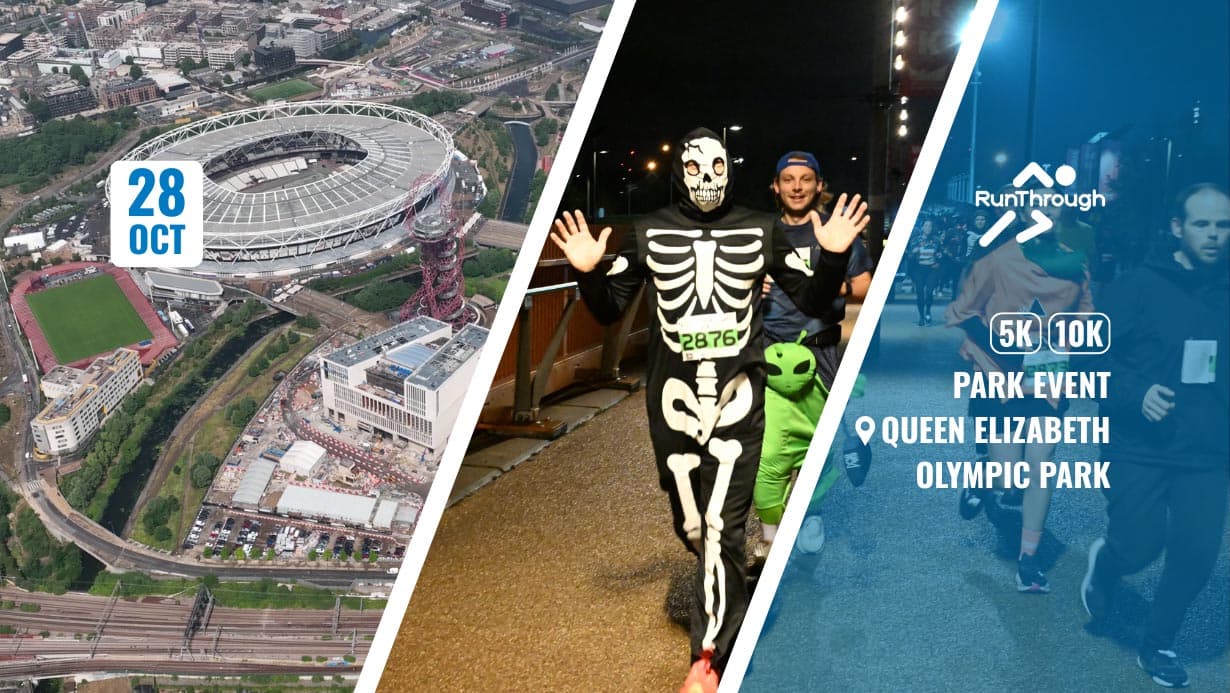
Chase The Moon Queen Elizabeth Olympic Park Halloween 5k & 10k October 2026
Wed, 28 Oct 2026 · Queen Elizabeth Olympic Park
November 2026
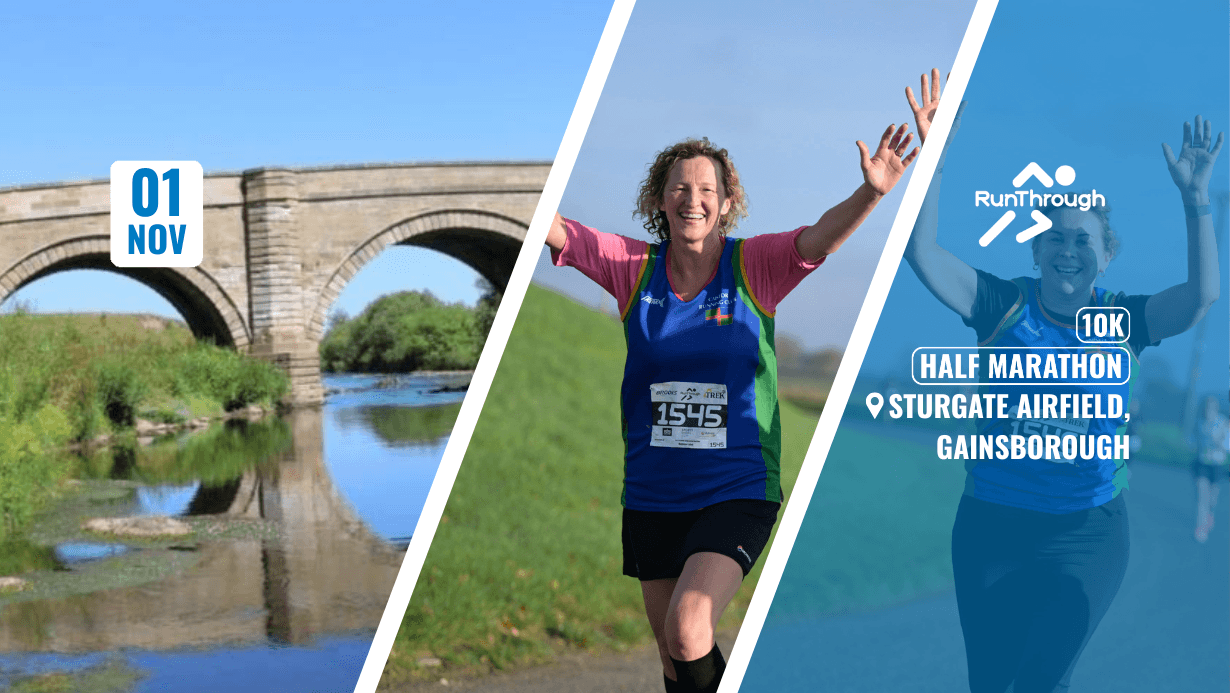
Gainsborough 10k & Half Marathon November 2026
Sun, 1 Nov 2026 · Gainsborough
Running Events General FAQ’s
How do I choose my first race distance?
Choosing your first race distance depends on your current fitness level, running experience, and personal goals. For beginners, shorter distances like 5k or 10k are ideal because they require manageable training schedules and lower risk of injury. Consider how much time you can realistically dedicate to training each week and whether you want a race that challenges endurance, speed, or simply the experience of finishing. Evaluate local race options, terrain, and timing to ensure you have enough preparation. A fun, well-organized race can also make your first experience positive, increasing the likelihood of continuing as a runner. Ultimately, start with a distance that excites you but feels achievable, then gradually progress to longer races once you gain confidence, fitness, and experience in completing your first event.
What’s the difference between a 5k, 10k, half marathon, and marathon experience?
The experience of running each distance varies significantly. A 5k is short, fast, and often less stressful, suitable for beginners or those focusing on speed. You can complete it in under an hour, making it accessible with minimal training. A 10k doubles the distance, requiring moderate endurance and pacing strategies. Half marathons introduce a mix of endurance and mental stamina, often taking two to three hours to complete. They demand consistent training and long runs to prepare for fatigue. Marathons are the ultimate test of endurance and mental resilience, requiring months of structured training, nutrition planning, and recovery strategies. They can take four to six hours or more, depending on pace. Each distance also affects race-day logistics, gear choice, hydration strategy, and post-race recovery, making the experience progressively more demanding and rewarding as distances increase.
Should I pick a flat or hilly course for my first race?
For your first race, a flat course is generally easier and more predictable, allowing you to focus on pacing and building confidence. Flat routes reduce muscular fatigue and decrease the risk of injury, especially for runners who haven’t trained extensively on hills. Hilly courses, while scenic and challenging, require extra strength and endurance training, which can be tough for beginners. Hills can slow your pace, test mental resilience, and lead to soreness if unprepared. If you enjoy variety and are confident in your training, a few small hills may be manageable. However, if your primary goal is completing the race comfortably, achieving a personal best, or enjoying a positive first-time experience, a flat course is recommended. Ultimately, knowing the elevation profile beforehand allows you to adjust training and strategy, ensuring you are prepared for the demands of the course.
How can I tell if a race is beginner-friendly?
Beginner-friendly races usually prioritize safety, clear signage, and accessible distances. Check if the race offers shorter options like 5k or 10k, or walk/run categories. Positive reviews from other participants often indicate supportive volunteers, well-organized aid stations, and manageable course conditions. Races that provide pacers, detailed pre-race instructions, and clear start/finish areas are often more welcoming. Accessibility is another factor: consider travel, parking, and start times. Community-based races tend to be more supportive than large, competitive city marathons, making them ideal for first-timers. Look for social elements such as post-race celebrations, medals for all finishers, or beginner-specific resources. Online forums or social media groups can provide feedback about the experience. Beginner-friendly events focus on participation, encouragement, and a safe, enjoyable race environment, ensuring your first race is positive and motivates future running endeavors.
What should I look for in race reviews before signing up?
Race reviews provide insight into what to expect beyond the official race description. Focus on participant feedback regarding organization, course difficulty, aid stations, and volunteer support. Reviews often highlight issues like poor signage, crowded start lines, or inconsistent timing, which you want to avoid. Pay attention to comments about parking, packet pickup, and pre-race communication, as these impact your overall experience. Look for remarks about course terrain, elevation, and potential hazards so you can prepare adequately. Reviews mentioning atmosphere, community support, and post-race amenities help gauge whether the event is enjoyable or stressful. Consider the majority opinion rather than isolated complaints; consistent praise or criticism is more reliable. If multiple first-time runners report a positive experience, the race is likely beginner-friendly. Balanced reviews help you anticipate challenges, plan logistics, and choose a race that aligns with your fitness level, expectations, and goals.
Is it better to race locally or travel for a race?
Racing locally is convenient, cost-effective, and reduces travel-related stress, making it ideal for beginners or those focusing on the running experience rather than sightseeing. Local races often allow easier logistics for early packet pickup, familiar accommodations, and shorter pre-race routines. Traveling for a race can be exciting, offering scenic courses, larger events, or bucket-list destinations, but requires careful planning. Consider travel costs, accommodation, transportation, and race-day fatigue. Destination races can provide unique motivation and memorable experiences, especially for milestone events like a marathon or half marathon in a famous city. However, travel can impact sleep, nutrition, and routine, affecting performance. For your first few races, local events allow you to focus on training and pacing without added stress. Once experienced, traveling races can add variety, adventure, and motivation while expanding your running community.
Are smaller races less stressful than large ones?
Smaller races are generally less stressful because they have fewer participants, reducing congestion at the start and along the course. Shorter start lines and smaller crowds make it easier to find your pace without weaving through slower runners or getting caught in bottlenecks. Logistics such as parking, packet pickup, and post-race amenities are typically simpler, minimizing pre-race anxiety. Volunteer-to-runner ratios may be higher, offering more personalized support. Small races often have a more community-focused atmosphere, creating a friendlier, relaxed environment for beginners. Conversely, large races may be more competitive, crowded, and complex, but can offer faster pacers, bigger crowds, and a thrilling energy. Choosing between small and large races depends on your goals: if your first priority is comfort, fun, and completing the race, smaller events are ideal; if you seek challenge, spectacle, or personal records, larger races provide unique motivation and experience.
What’s the difference between chip timing and gun timing?
Chip timing records the exact moment you cross the start and finish lines using an electronic chip, providing an accurate personal time. Gun timing measures from the official race start signal, meaning your clock begins when the race begins, not when you cross the start line. In large races, chip timing is important because runners in later corral waves may start several minutes after the gun. Chip timing ensures fair results and accurate splits, reflecting your true pace. Gun timing is often used for awards or elite results where everyone starts together. Understanding the difference helps you set realistic expectations for official results and personal records. For beginners, chip timing allows a stress-free start without worrying about crowded corrals, while more competitive runners monitor both gun and chip times for ranking and qualification purposes.
How can I choose a scenic course without it being too tough?
Choosing a scenic course that’s beginner-friendly involves balancing elevation, terrain, and distance with views and atmosphere. Look at course maps for elevation profiles; moderate or rolling hills are more manageable than steep, continuous inclines. Avoid courses with technical trails or excessive descents unless you have prior experience. Online reviews or race websites often highlight scenic elements and difficulty levels. Consider races in parks, waterfronts, or historic areas, which can offer visual appeal while remaining accessible. Check for adequate aid stations and flat sections for rest or recovery. Timing matters: running in spring or fall can enhance scenery with seasonal colors. Scenic races should allow you to enjoy the surroundings without compromising pacing, safety, or endurance, providing a memorable, enjoyable experience that combines physical challenge with visual reward.
What are the costs I should budget for beyond registration?
Beyond the registration fee, several additional costs come with racing. Travel expenses may include flights, gas, or accommodations for destination races. Local transportation, parking, and shuttle services can add up. Nutrition and hydration are important: pre-race meals, gels, electrolyte drinks, and recovery snacks are necessary for longer distances. Gear costs include appropriate shoes, clothing, and accessories like belts, hydration packs, or GPS watches. Some runners purchase race photos or memorabilia post-event. Entry to expos or packet pickups may also have incidental costs. If hiring a coach or joining training programs, these add to the budget. Insurance for race cancellations or emergencies can be considered. By estimating all potential expenses beyond registration, you ensure a smooth experience without financial surprises, allowing you to focus on performance and enjoyment.
Are night races harder than morning races?
Night races present unique challenges compared to morning races, though difficulty depends on preparation. Evening runs often follow a full day of activity, which can leave you fatigued if nutrition, hydration, and energy levels aren’t managed properly. Visibility is lower, requiring reflective gear, headlamps, or glow-in-the-dark accessories to navigate safely. Night races can feel cooler or warmer depending on season and location, affecting performance. The atmosphere may be more relaxed and festive, which some runners find motivating, while others may struggle with disrupted routines or irregular sleep schedules. Morning races benefit from a rested body, established circadian rhythm, and fewer distractions, but early starts may require waking unusually early. Preparing for a night race involves adjusting meal timing, practicing evening runs, and ensuring safety in low light. Ultimately, difficulty is subjective, and consistent training under similar conditions helps runners adapt confidently to either scenario.
Is it worth traveling abroad for a race?
Traveling abroad for a race can be highly rewarding, offering cultural experiences, scenic routes, and a sense of adventure. Destination races often provide memorable settings, like historic cities, iconic landscapes, or international festivals, enhancing the running experience. However, travel introduces additional considerations: cost, flight logistics, accommodation, and potential jet lag can affect performance. Planning nutrition, hydration, and race-day timing is crucial when adjusting to new time zones or climates. For first-time runners, international travel may add stress and complications; beginners often benefit from local races until they gain experience. Experienced runners seeking bucket-list events, unique challenges, or the excitement of a marathon abroad may find the journey worthwhile. Ultimately, traveling for a race is most valuable when carefully planned, aligning your fitness level, goals, and resources with the unique opportunity of combining running and travel.
How do I choose between road races and trail races?
Choosing between road and trail races depends on your training preference, skill level, and desired experience. Road races offer consistent surfaces, predictable pacing, and often flatter courses, making them beginner-friendly and suitable for time goals. Trails provide varied terrain, scenic environments, and technical challenges like uneven footing, hills, and obstacles, requiring balance, strength, and endurance. Consider your access to training environments; road runners may struggle with trail technicality, while trail runners might need extra conditioning for consistent pacing on asphalt. Weather and footwear requirements differ, as trail races may involve mud or rocks. Social atmosphere and crowd size vary: road races often have larger crowds, while trail races feel intimate and nature-focused. Choose based on your fitness level, desired challenge, and whether you value speed, scenery, or adventure.
How long does it usually take to complete a 5k versus a 10k?
Completion times for a 5k and 10k vary widely depending on fitness, experience, and pacing. A beginner may finish a 5k in 30–40 minutes at a comfortable pace, while a 10k might take 60–80 minutes with consistent pacing. Experienced runners can complete a 5k in 15–25 minutes and a 10k in 30–50 minutes, often employing speedwork and intervals to improve performance. The 10k doubles the distance, requiring sustained energy management, hydration awareness, and mental focus. Training adaptation for endurance, pacing, and recovery becomes more critical for the 10k. Environmental factors, course elevation, and weather also influence completion times. Understanding typical time ranges for each distance helps set realistic goals, plan race-day strategy, and prepare mentally for the challenge, ensuring a positive experience for all fitness levels.
Is it better to run a shorter race faster or a longer race slower?
Shorter races are best approached at faster, more intense paces because the distance is manageable and energy demands are lower, allowing higher exertion. Longer races require a slower, steady pace to conserve energy, maintain endurance, and avoid early fatigue. Running a longer race too quickly can lead to exhaustion, injury, or “hitting the wall.” Pacing strategies vary with distance: short races focus on speed and anaerobic capacity, while longer events prioritize aerobic efficiency and mental resilience. Training should reflect these goals, with interval work and tempo runs for shorter races and long endurance runs for longer distances. Adapting pacing to distance ensures safe completion, maximizes performance, and aligns with your goals, preventing burnout while maintaining enjoyment across race types.
Can I train for multiple race distances at the same time?
Training for multiple race distances simultaneously is possible but requires careful planning. Focus on overlapping goals: short races prioritize speed, while longer distances emphasize endurance. Periodization helps by cycling intensity and volume, balancing speed work with long runs. Avoid excessive mileage or overtraining, which increases injury risk. Cross-training, strength workouts, and recovery days are essential to maintain performance across distances. Scheduling races at different times allows adaptation; for example, shorter races can serve as tune-up events for longer goals. Monitor fatigue, adjust pacing, and prioritize one primary goal to prevent conflicting training demands. With structured planning, attention to recovery, and gradual progression, runners can safely prepare for multiple distances, gaining variety, skill, and experience without compromising health or performance.
Should I focus on speed for shorter races or endurance for longer ones?
Shorter races, such as 5k or 10k, benefit from speed-focused training with intervals, tempo runs, and strides to improve pace and efficiency. Endurance plays a minor role but is necessary to sustain faster effort. Longer races, including half and full marathons, require an endurance-based approach, emphasizing long runs, aerobic capacity, and energy management. Speedwork can be incorporated sparingly to improve turnover and economy, but pacing and stamina dominate training. Proper balance ensures safety and performance. Shorter race speed training allows runners to develop anaerobic capacity, while longer race endurance training builds resilience, muscular adaptation, and mental toughness. Understanding the primary physiological demands of each distance guides effective, focused training plans.
How much does terrain affect my choice of race distance?
Terrain significantly impacts the difficulty and pacing of a race, influencing your distance choice. Flat, paved surfaces allow consistent speed and easier endurance management, making them ideal for beginners or time-focused goals. Hilly or technical trails increase muscular demand, energy expenditure, and risk of injury, requiring longer recovery and strength training. Soft surfaces like sand or grass slow pace and can be taxing over extended distances. Weather, footing, and elevation gain further modify effort, affecting achievable distances. Choosing a distance should consider your ability to train on similar terrain. Beginners should start with accessible, predictable surfaces to reduce risk, while experienced runners may embrace challenging terrain to add adventure, variety, or performance benefits. Terrain affects both physical and mental race readiness, shaping distance selection and preparation strategies.
Are relay races easier than running a long distance solo?
Relay races can be easier than running a long distance solo because the total distance is split among team members, reducing individual effort and duration. Participants run shorter segments, allowing higher intensity and faster pace compared to continuous long-distance running. However, relays introduce logistical challenges, including timing handoffs, coordination with teammates, and adapting to course variations. Mental pressure may be higher due to team expectations. Recovery between legs, if multiple runs are required, must be managed carefully. Relays are excellent for social motivation, pacing support, and building confidence for longer solo races. While physically less demanding than a full long-distance solo effort, successful participation requires strategy, coordination, and focus. They provide a fun, supportive environment while still challenging runners’ speed, endurance, and mental resilience.
How does altitude affect which race distance I should pick?
Altitude significantly impacts oxygen availability, making running more challenging, especially for longer distances. At higher elevations, your body must work harder to deliver oxygen, slowing pace and increasing fatigue. Short races may be manageable even at altitude, while long-distance events like half or full marathons can be substantially harder. Training at altitude or arriving several days beforehand allows partial adaptation, but inadequate acclimatization can impair performance. Beginners or those unaccustomed to high elevations may prefer shorter distances to reduce risk of exhaustion or altitude sickness. Factor in terrain, climate, and experience when choosing race distance at altitude. Planning pace conservatively, hydrating adequately, and adjusting expectations ensures safety, performance, and a positive experience when racing at higher elevations.
How do I decide between a race I want to finish versus one I want to race competitively?
Deciding between a completion-focused race and a competitive race depends on your goals, experience, and readiness. Completion-focused races prioritize participation, enjoyment, and personal achievement, often suited for beginners, first-timers, or milestone events. Pacing is conservative, and emphasis is on finishing safely. Competitive races target performance, personal records, or qualifying times, requiring structured training, goal pacing, and mental toughness. Consider your fitness level, recovery capacity, and willingness to accept performance pressure. If new to racing or returning from injury, completing a race safely is often more rewarding than risking burnout or discouragement. Experienced runners seeking challenge, PRs, or qualifications may benefit from competitive events. Balancing these factors ensures a positive experience aligned with your physical ability, mental readiness, and personal objectives, fostering sustainable growth in running.
Do I need a running coach as a beginner?
A running coach isn’t essential for beginners but can provide significant benefits. Coaches offer structured training plans tailored to your fitness, goals, and schedule, helping reduce injury risk while improving efficiency and technique. They provide motivation, pacing guidance, and accountability, which can be especially helpful for first-time racers or those unsure how to progress. Coaches also help manage setbacks, like fatigue or minor injuries, and adjust your plan as needed. That said, many beginners succeed using reputable online plans or apps, combined with consistent training and proper recovery. The key is following a plan that matches your ability and gradually builds endurance. Coaching accelerates progress and confidence but isn’t mandatory; dedication, consistency, and attention to form can allow self-guided runners to achieve their goals safely.
How do I pick the right training plan online?
Choosing an online training plan requires matching it to your fitness level, experience, and goals. Check that the plan specifies weekly mileage, long-run progression, and rest days suitable for your current running base. Beginner plans typically start with manageable distances and 3–4 weekly runs, gradually increasing intensity. Verify that the plan aligns with your target race distance and timeframe, with built-in recovery and optional cross-training. Look for reputable sources, runner testimonials, and evidence-based guidance. Avoid plans that drastically increase mileage too quickly or assume advanced experience. Flexible plans that allow adjustments for fatigue, illness, or missed sessions are ideal. Ultimately, the best plan encourages safe progression, supports your schedule, and balances endurance, speed, and recovery, providing structure while accommodating your personal life and running goals.
How many days a week should I run?
Beginners should aim to run 3–4 days per week, balancing progress with recovery. This frequency allows your body to adapt to the stress of running while minimizing injury risk. Each run should have a purpose: long runs for endurance, shorter runs for consistency, and optionally one session for speed or hills. Interspersing rest or cross-training days enhances recovery and prevents overuse injuries. More experienced runners may gradually increase frequency, but beginners benefit from moderate training that emphasizes consistency and gradual mileage increases. Running every day without adequate recovery can lead to fatigue, soreness, or injury. Adjust frequency based on energy, schedule, and goals, listening to your body. Consistent 3–4 days per week is sufficient to build aerobic capacity, improve technique, and establish a sustainable running habit.
Should I include strength training in my schedule?
Yes, strength training is highly beneficial for runners. It enhances muscular endurance, improves running form, and reduces injury risk by strengthening stabilizing muscles, including hips, glutes, and core. Incorporate 2–3 sessions per week focusing on functional exercises like squats, lunges, planks, and deadlifts. Upper-body strength helps maintain posture and arm drive during long runs. Strength work also improves running economy, allowing you to cover distances more efficiently and with less fatigue. Beginner runners should start with bodyweight exercises before progressing to weights or resistance bands. Balanced strength training complements running by addressing muscle imbalances, enhancing performance, and supporting joint stability. Consistency matters more than intensity; integrating strength training gradually ensures sustainable benefits without compromising running recovery.
How important is cross-training?
Cross-training is highly valuable, supporting running by improving overall fitness while reducing repetitive impact. Activities like cycling, swimming, rowing, or strength training enhance cardiovascular endurance, build complementary muscles, and improve core stability. Cross-training allows you to maintain fitness on rest days or during injury recovery, preventing detraining. It also reduces the risk of overuse injuries common in runners, such as shin splints or knee pain, by distributing stress across different muscle groups. For beginners, one or two cross-training sessions per week complement running workouts, promoting balanced strength and flexibility. Advanced runners use cross-training strategically to improve aerobic capacity, maintain mileage while recovering from intense sessions, or enhance performance in specific areas like hill climbing or sprinting. Overall, cross-training strengthens the body holistically and contributes to long-term running sustainability.
How do I safely increase my mileage?
Safely increasing mileage requires gradual progression, consistency, and attention to recovery. A common guideline is the 10% rule: don’t increase weekly mileage by more than 10% compared to the previous week. Long runs should also increase incrementally, ideally no more than 1 mile per week. Listen to your body; soreness or fatigue signals the need for rest or slower progression. Incorporate easy days and recovery runs to balance intensity. Proper footwear, hydration, and strength training support higher mileage. Scheduling cutback weeks every 3–4 weeks, reducing mileage slightly, helps prevent overtraining. Avoid adding too many long or intense sessions simultaneously. Gradual, structured progression allows your cardiovascular system, muscles, and joints to adapt, reducing injury risk and building sustainable endurance. Patience and consistency are key to increasing mileage safely.
How do I know if I’m overtraining?
Overtraining occurs when your training load exceeds recovery, leading to physical and mental fatigue. Common signs include persistent soreness, elevated resting heart rate, irritability, insomnia, poor performance, frequent illness, and lack of motivation. You may notice slower pace, difficulty completing usual distances, or prolonged recovery from workouts. Mood changes like anxiety or low motivation can indicate mental strain. Overtraining can increase injury risk and hinder progress. Prevent it by balancing training with rest, varying intensity, and including cross-training or easy days. Regularly monitoring sleep quality, energy levels, and heart rate can provide early warning. If symptoms persist, reduce mileage, intensity, or take a short break. Prioritizing recovery and listening to your body ensures sustainable progress, preventing setbacks caused by pushing beyond safe limits.
How often should I rest?
Rest days are crucial for recovery, adaptation, and injury prevention. Beginners should include at least 1–2 rest days per week, spaced to allow recovery after longer or intense runs. Rest can be complete or active, such as gentle walking, yoga, or stretching. Advanced runners may schedule one rest day plus lighter recovery runs, depending on mileage and intensity. Long runs, speed sessions, and tempo runs create higher stress, making recovery essential to repair muscles, replenish energy stores, and prevent overuse injuries. Listening to your body is key; soreness, fatigue, or poor performance may indicate additional rest is needed. Incorporating rest promotes consistent progress, improves performance, and ensures long-term sustainability in training.
What are signs I need to adjust my plan?
Signs you need to adjust your training plan include persistent fatigue, plateauing performance, frequent soreness, or minor injuries. If you consistently feel unmotivated, have elevated resting heart rate, or experience sleep disturbances, your workload may be too high. Conversely, finishing sessions easily with no challenge could indicate the plan is too easy. Life factors like work, travel, or family commitments may require schedule adjustments. Weather, terrain changes, or illness also necessitate flexibility. Adjustments can include reducing mileage, modifying intensity, incorporating extra rest, or reshuffling workouts. Regular evaluation of physical, mental, and emotional responses to training ensures the plan remains sustainable and effective. A flexible approach keeps you healthy, motivated, and progressing toward goals while minimizing injury risk.
Should I hire a personal coach or just follow an app?
Hiring a personal coach provides individualized guidance, accountability, and real-time adjustments, ideal for runners seeking structured plans, technical advice, or performance improvements. Coaches can address weaknesses, correct form, and adapt training based on life events or injuries. Apps are convenient, cost-effective, and offer pre-designed plans, pacing guidance, and tracking tools. They suit beginners or self-motivated runners who need basic structure without personalized feedback. Combining both is possible: using an app while consulting a coach periodically. The choice depends on budget, goals, and experience level. For novice runners, a well-designed app can suffice, while those targeting specific performance goals or seeking expert feedback may benefit from coaching. Ultimately, commitment, consistency, and following a plan, whether coached or app-based, are key to success.
How do I recover after a long run?
Post-long-run recovery focuses on hydration, nutrition, stretching, and rest. Replenish fluids and electrolytes lost through sweat to prevent dehydration. Consume a balanced meal or snack with carbohydrates and protein within 30–60 minutes to repair muscles and restore glycogen. Gentle stretching or foam rolling reduces stiffness and aids circulation. Cool-down walks help gradually lower heart rate. Adequate sleep is crucial for overall recovery. Ice or compression may reduce inflammation if needed. Adjust training the following days: opt for easy runs or cross-training, avoiding intense sessions immediately after long efforts. Listening to your body and addressing soreness early prevents overuse injuries. Structured recovery ensures long-term progress, preserves performance, and maintains enthusiasm for continued training.
Should I train with a running group?
Training with a running group offers accountability, social motivation, and opportunities to learn pacing, technique, and race strategies. Group runs encourage consistency, provide safety on unfamiliar routes, and can make training more enjoyable. Experienced members may share insights on form, gear, and mental strategies. For beginners, group support can boost confidence and reduce intimidation, while structured workouts like intervals or tempo runs are easier with pacers. However, it’s important to maintain personal pacing. Don’t overextend to keep up with faster runners. Solo runs remain valuable for flexibility, focus, and adapting training to individual needs. Combining group and solo runs balances motivation, skill development, and personal pacing. Overall, running groups enhance accountability, camaraderie, and enjoyment while complementing individualized training.
How do I balance running with work and family?
Balancing running with work and family requires planning, flexibility, and prioritization. Schedule runs at consistent times, such as early mornings, lunch breaks, or evenings, integrating them into your routine. Shorter, high-quality sessions can be effective when time is limited. Combine running with family activities, like jogging with children or participating in community events. Use weekends for longer runs and weekday sessions for shorter, focused workouts. Communicate your schedule with family to ensure support and minimize conflicts. Cross-training or treadmill sessions at home can save travel time. Flexibility is key; missed sessions should be rescheduled rather than skipped entirely. Efficient planning, realistic goals,
Do I need to do speedwork as a beginner?
As a beginner, speedwork is not essential. Your primary focus should be building a consistent aerobic base, gradually increasing distance, and running safely without injury. Introducing speedwork too early can stress muscles, joints, and tendons, increasing the risk of injury or burnout. Once you’ve developed a solid foundation (comfortably running multiple miles at an easy pace), you can gradually introduce speedwork to improve efficiency, cadence, and overall performance. Speedwork may include intervals, strides, fartlek sessions, or short hill repeats. Start with one session per week, keeping intensity moderate and allowing ample recovery. Proper warm-up and cooldown routines are crucial. While speedwork can accelerate performance improvements and build mental toughness, beginners can achieve significant progress focusing primarily on steady, easy runs and gradually increasing mileage. Speedwork becomes valuable as experience grows but is optional for first-time or casual runners.
What’s a tempo run and why is it important?
A tempo run is a sustained, moderately hard run performed at a pace slightly below your lactate threshold, the fastest pace you can maintain without accumulating excessive fatigue. Tempo runs typically last 20–40 minutes, depending on fitness and distance goals. They improve endurance, aerobic capacity, and the body’s ability to efficiently process lactate, allowing you to maintain faster paces over longer distances. Mentally, tempo runs build focus, pacing awareness, and confidence. For beginners, tempo runs should be shorter, at a comfortable yet challenging effort. These runs complement easy runs and speedwork, providing balance within a training plan. Regular tempo runs teach your body to sustain steady, moderately hard effort for longer periods, improving efficiency and stamina. Incorporating tempo runs gradually strengthens cardiovascular fitness, enhances race performance, and prepares runners to maintain controlled effort during races without overexertion or premature fatigue.
How often should I run intervals?
Interval sessions are typically performed once per week for most runners, as they are high-intensity workouts that place considerable stress on muscles, joints, and the cardiovascular system. Beginners should start with short intervals, such as 200–400 meters, with ample recovery between repetitions. Advanced runners can increase distance, intensity, or repetition count as fitness improves. Intervals improve speed, running economy, and anaerobic threshold, benefiting both short- and long-distance performance. Overdoing intervals can lead to fatigue, soreness, or injury, so balancing them with easy runs, long runs, and recovery days is essential. Proper warm-up and cooldown routines are critical to prepare muscles and prevent strain. For beginners or those focusing on general fitness, one weekly session is sufficient. Integrating intervals gradually ensures safe adaptation while maximizing speed development and improving overall race performance over time.
How do I know if I’m running too fast on easy days?
Running too fast on easy days can hinder recovery, reduce training effectiveness, and increase injury risk. Signs include elevated heart rate, unusual fatigue, muscle soreness, or difficulty completing your scheduled distance. Easy runs should feel conversational, meaning you can comfortably speak in full sentences without gasping for air. Monitoring perceived exertion, heart rate, or pace relative to previous easy runs helps ensure you remain in the correct intensity zone. Running too fast on recovery days can compromise adaptation, making harder workouts more difficult and slowing long-term progress. Adjust your pace to prioritize aerobic development, muscle recovery, and sustainable mileage. If necessary, slow down, focus on maintaining consistent effort, and use easy runs to build endurance safely. Properly executed easy runs promote recovery, support consistent training, and form the foundation for successful long-term performance improvements.
Should I run in all weather conditions during training?
Running in varied weather conditions helps build resilience, mental toughness, and preparation for race day, but safety is essential. Light rain, moderate wind, or cool temperatures are usually safe with appropriate clothing and gear. Extreme heat, humidity, thunderstorms, icy roads, or poor air quality may require postponing outdoor runs or using indoor alternatives like a treadmill. Layering clothing, moisture-wicking fabrics, and proper footwear improve comfort and reduce injury risk in adverse conditions. Beginners should gradually adapt to different weather, avoiding extremes until confidence and experience grow. Cross-training or indoor workouts can substitute on unsafe days. Training in diverse conditions enhances adaptability, prepares you for race-day variability, and develops mental toughness, while prioritizing safety ensures you maintain consistency without unnecessary risk. Balancing exposure with caution maximizes training benefits over time.
How do I adjust my training if I get sick?
Adjusting training during illness depends on severity. Mild symptoms above the neck, like a runny nose or slight congestion, may allow light, easy runs if energy permits. For fever, chest congestion, body aches, or gastrointestinal issues, complete rest is essential, as running can worsen illness and delay recovery. Reduce intensity, duration, and frequency until fully recovered. Resume gradually, starting with shorter, slower runs before returning to full mileage and intensity. Hydration, nutrition, and adequate sleep are crucial for recovery. Ignoring illness or pushing through can result in setbacks, prolonged fatigue, or more serious complications. Monitoring symptoms, listening to your body, and being patient ensures a safe return to training. Cross-training with low-impact activities like cycling or swimming can maintain fitness during recovery. Prioritizing health protects long-term progress and reduces injury risk.
Do I need a GPS watch to train well?
A GPS watch is helpful but not mandatory. It tracks distance, pace, elevation, and heart rate, providing useful data for monitoring progress and structuring workouts. For beginners, apps, mapped routes, or running by time can suffice. Watches can enhance motivation, accuracy, and pacing awareness, particularly for long runs or intervals. However, effective training relies on consistency, effort management, and adherence to a plan rather than technology alone. Many successful runners train without GPS devices, focusing on perceived exertion and progress over time. GPS watches are tools, not essentials, offering convenience, tracking, and insights but are not required for developing endurance, speed, or completing races successfully.
How do I fuel properly during long runs?
Proper fueling ensures sustained energy and prevents fatigue during long runs. Runs under 60 minutes generally require only water. For sessions lasting longer than 60–90 minutes, consume carbohydrates through gels, chews, or sports drinks every 30–45 minutes. Start fueling early to avoid energy crashes later. Pre-run meals should be carbohydrate-rich, easily digestible, and low in fat and fiber to minimize digestive discomfort. Hydration should be adjusted based on weather, sweat rate, and intensity. Practicing fueling strategies during training is critical to identify tolerance and prevent gastrointestinal issues on race day. Combining proper pre-run nutrition, mid-run fueling, and hydration ensures energy availability, endurance maintenance, and optimized performance during long-distance workouts or races.
How do I handle injuries during training?
Handling injuries during training requires prompt attention and careful management to prevent worsening the problem. At the first sign of pain, swelling, or discomfort, reduce or stop activity and assess the severity. Minor injuries can often be managed with rest, ice, compression, and elevation (RICE), while persistent or severe issues should be evaluated by a healthcare professional or physical therapist. Cross-training, such as cycling, swimming, or using an elliptical, can help maintain fitness while reducing stress on the injured area. Gradual return to running is essential: start with shorter, lower-intensity sessions, monitor symptoms, and progress cautiously. Preventive strategies, including proper warm-ups, strength training, stretching, adequate footwear, and attention to running form, minimize future injuries. Listening to your body, prioritizing recovery, and addressing underlying causes ensures safe, sustainable training while protecting long-term performance and health.
Is it normal to feel nervous before a race?
Yes, pre-race nerves are completely normal and are often a sign of excitement and readiness. Many runners experience anxiety, increased heart rate, or butterflies in the stomach before races, regardless of experience level. Nervous energy can be positive, improving focus, alertness, and mental preparation. Strategies to manage pre-race nerves include visualization, controlled breathing, and following familiar routines leading up to the start. Concentrating on your personal goals rather than competitors, breaking the race into smaller segments, and maintaining a consistent warm-up can reduce stress. Accepting that some anxiety is natural allows you to channel it into motivation rather than fear. Mental preparation, combined with confidence in training and pacing strategies, helps transform nerves into positive energy, ensuring that pre-race anxiety enhances focus, performance, and enjoyment on race day.
How do I choose the right running shoes?
Choosing the right running shoes is crucial for comfort, performance, and injury prevention. Start by understanding your foot type, arch, and gait. Many specialty running stores offer a gait analysis. Consider your running surface: road, trail, or track, as shoes vary in cushioning and traction. Fit is critical; shoes should have a thumb’s width of space in the toe box and feel snug but not tight around the midfoot and heel. Pay attention to cushioning, support, and flexibility based on your weight, mileage, and training style. Beginners generally benefit from neutral or stability shoes with moderate cushioning. Try multiple brands and models, and test them indoors or on a treadmill if possible. Replace shoes when they feel worn or lose support, typically every 300–500 miles. Investing in the right shoes enhances comfort, reduces injury risk, and allows you to enjoy running more consistently.
What’s the difference between stability and neutral shoes?
Stability shoes are designed for runners who overpronate, meaning their feet roll inward excessively during the gait cycle. These shoes have added support, usually with firmer midsole material or medial posts, to prevent excessive pronation and improve alignment, reducing injury risk. Neutral shoes, on the other hand, are for runners with normal arches or mild supination, who don’t require extra support. They focus on cushioning and flexibility without correcting foot movement. Choosing the right type depends on gait analysis, foot shape, and injury history. Stability shoes can help prevent injuries caused by overpronation, while neutral shoes allow natural foot motion for efficient running mechanics. Testing both types with your weight, stride, and running surface ensures comfort and performance. Many stores provide treadmill trials or motion assessments to determine the most suitable option. Proper shoe selection supports alignment, reduces stress, and improves running efficiency.
How often should I replace running shoes?
Running shoes should generally be replaced every 300–500 miles, though the exact timing depends on your running style, body weight, terrain, and shoe construction. Signs you need new shoes include worn-out tread, flattened cushioning, creased midsoles, or discomfort during runs. Ignoring shoe wear can increase the risk of injuries such as shin splints, plantar fasciitis, or joint pain. Heavier runners or those running on abrasive surfaces may need to replace shoes sooner. Keep a mileage log or use a running app to track shoe usage. Rotating between two pairs of shoes can extend their lifespan and reduce repetitive stress on the body. Replacing shoes before they fully wear out maintains proper support, cushioning, and stability, ensuring better performance, reduced injury risk, and consistent comfort over your training and racing schedule.
Are carbon plate shoes worth it for amateurs?
Carbon plate shoes can provide energy return, improved running efficiency, and faster race times, but they are not essential for amateur runners. These shoes are designed for experienced runners with consistent mileage and proper biomechanics. Beginners may not benefit fully, as the stiffness and responsiveness can feel awkward and may increase injury risk if form isn’t solid. Carbon plate shoes are most effective in races or speed sessions, not for everyday training, because of higher cost and reduced durability. Amateurs can improve performance more safely through consistent training, proper footwear, and running mechanics. If considering carbon shoes, try them during controlled sessions first, ensure proper fit, and use them in combination with standard training shoes. While they can provide a competitive advantage, for most recreational runners, comfort, cushioning, and support matter more than advanced shoe technology.
How do I avoid blisters?
Blisters are caused by friction, moisture, or pressure during running. To prevent them, ensure shoes fit properly: snug in the heel and midfoot, with enough room in the toes. Wear moisture-wicking socks that reduce friction, such as those made from synthetic or merino wool blends. Lubricants like petroleum jelly or anti-chafing balms on hotspots can minimize friction. Gradually break in new shoes rather than running long distances immediately. Keep feet dry with breathable socks and consider moisture-absorbing powders in humid conditions. Trim toenails and address foot deformities, corns, or calluses that may increase rubbing. If blisters form, protect them with padded bandages or blister-specific dressings. Paying attention to footwear, socks, and foot care allows you to run longer distances comfortably, preventing painful blisters and keeping training consistent.
What socks are best for running?
The best running socks are lightweight, moisture-wicking, and reduce friction to prevent blisters. Synthetic blends, merino wool, or specialized running fabrics work well because they draw sweat away from the skin and maintain comfort across temperatures. Avoid cotton, which retains moisture and increases friction. Sock height depends on preference: no-show socks are common for warm weather, while crew socks provide added protection for trails or colder conditions. Compression socks may aid circulation and recovery, though not essential for all runners. Proper fit is critical: socks should be snug but not tight, without folds or seams that could rub. Using quality running socks enhances comfort, reduces skin irritation, prevents blisters, and helps maintain foot health during both training and races. Investing in a few reliable pairs ensures consistency across all runs.
Should I run in compression gear?
Compression gear, including socks, sleeves, or tights, may improve circulation, reduce muscle vibration, and enhance recovery. Some runners notice reduced post-run soreness or quicker recovery times, though scientific evidence is mixed. Compression gear can provide psychological benefits, increased proprioception, and a snug feeling that reduces chafing. While not necessary for training or racing, it may be helpful for long runs, back-to-back sessions, or recovery days. Proper fit is essential; gear should be snug but not restrict movement or circulation. Beginners can experiment during training rather than racing to ensure comfort. Compression garments complement proper warm-ups, stretching, and strength training but do not replace them. Overall, they can be a useful tool for comfort, support, and recovery, especially during long-distance running, but are optional rather than essential for all runners.
Do I need special underwear for running?
Special running underwear can prevent chafing, irritation, and discomfort, particularly on longer runs. Look for moisture-wicking, breathable fabrics such as synthetic blends or merino wool that keep skin dry and reduce friction. Avoid cotton, which retains sweat and increases irritation risk. Seamless designs and proper fit are important to prevent rubbing in sensitive areas. For women, sports bras designed for support and comfort during running are essential. Proper running underwear enhances freedom of movement, comfort, and overall enjoyment. While not strictly required for short runs, investing in quality performance underwear is beneficial for longer distances or frequent training sessions, helping to prevent skin issues and improve overall running experience.
What’s the best material for running shirts?
The best running shirts are made from moisture-wicking, breathable, and lightweight materials, such as polyester, nylon blends, or merino wool. These fabrics move sweat away from the skin, keeping you dry and comfortable, and help regulate body temperature. Cotton should be avoided, as it retains moisture, becomes heavy when wet, and increases the risk of chafing. Look for shirts with flat seams or seamless construction to minimize irritation. Short sleeves, long sleeves, or sleeveless designs depend on weather and personal preference. Technical running shirts with ventilation panels or mesh enhance airflow during intense sessions. Proper running apparel improves comfort, prevents skin irritation, and enhances performance, allowing you to focus on training without distraction. Investing in a few high-quality, moisture-wicking shirts ensures consistent comfort and durability across different conditions.
How do I dress for winter running?
Winter running requires layering to stay warm without overheating. Start with a moisture-wicking base layer to draw sweat away from the skin. Add an insulating mid-layer for warmth, such as fleece or thermal fabric, and top with a wind- and water-resistant outer layer to protect against cold, rain, or snow. Choose thermal tights or pants and gloves, a hat or headband, and moisture-wicking socks to maintain extremity warmth. Footwear with traction is important on icy or slippery surfaces. Dress in lightweight layers you can adjust if you overheat, and consider reflective gear for low-light conditions. Avoid cotton, which traps moisture and increases heat loss. Proper winter attire ensures comfort, prevents hypothermia or frostbite, and allows you to train safely and consistently in cold weather.
How do I stay cool during summer runs?
Staying cool during summer runs requires a combination of clothing, timing, and hydration strategies. Wear lightweight, moisture-wicking, and breathable fabrics that allow sweat to evaporate and regulate body temperature. Light-colored clothing reflects sunlight, reducing heat absorption. Run during cooler parts of the day, such as early morning or late evening, and avoid peak sun hours. Hydrate before, during, and after your run, considering electrolytes for longer distances. Use a hat or visor to shield your face from direct sunlight, and consider running in shaded routes or near water. Slow your pace if temperatures or humidity are high, and listen to your body for signs of heat exhaustion, like dizziness or nausea. Sun protection with sunscreen and sunglasses helps prevent sunburn and eye strain. Combining these strategies ensures comfort, safety, and effective training during hot weather.
Do I need a hat or visor?
Hats and visors protect you from sun exposure, reduce glare, and help regulate temperature during runs. Hats provide full coverage, shielding the face and scalp, and can help wick sweat away. Visors are lighter, offer ventilation, and allow heat to escape from the top of your head while still protecting the eyes and forehead. Both options improve comfort, reduce sunburn risk, and prevent sweat from dripping into your eyes. In cooler weather, a hat can retain warmth, while in hot weather, a breathable, moisture-wicking cap keeps you cooler. Choosing the right option depends on climate, sun exposure, and personal preference. High-quality, lightweight, and breathable materials ensure the hat or visor stays comfortable, does not obstruct vision, and supports longer runs without irritation. Proper headgear enhances performance and protects against sun-related issues.
Should I wear sunglasses while running?
Yes, sunglasses can protect your eyes from UV rays, wind, dust, and debris while running. They reduce glare, improve visibility, and prevent eye strain in bright conditions. Lightweight, shatter-resistant, and wraparound designs are best, as they stay secure during movement and provide full coverage. Polarized lenses help reduce glare from reflective surfaces like roads or water. Ensure the sunglasses fit comfortably without slipping or creating pressure points, and choose lenses suited for your environment: tinted for bright sun, clear for low-light conditions, or interchangeable lenses for versatility. Sunglasses also protect against dry eyes and irritation from wind or pollen. Wearing proper eyewear increases comfort, prevents eye fatigue, and reduces the risk of injury while running outdoors in various conditions, making it a practical addition to your gear.
How do I carry water on long runs?
Carrying water on long runs is essential to maintain hydration and performance. Options include handheld bottles, running belts with bottles, or hydration packs. Handheld bottles are lightweight and convenient for short to medium distances, though they may strain one hand. Running belts provide storage for bottles, gels, keys, and small items, freeing your hands and distributing weight evenly. Hydration packs are ideal for very long runs, trail running, or hot conditions, offering larger fluid capacity and even weight distribution. Pre-plan water stops if available, or practice carrying fluid during training to ensure comfort and accessibility. Choose gear that minimizes bouncing, provides easy access, and balances weight. Adequate hydration prevents fatigue, heat-related issues, and performance decline, allowing safe and enjoyable long-distance runs.
Is a hydration pack better than a handheld bottle?
Whether a hydration pack is better depends on distance, terrain, and personal preference. Hydration packs hold more fluid than handheld bottles, making them ideal for long runs, trail running, or hot weather, while freeing your hands and distributing weight evenly across your back. They often include pockets for gels, keys, or safety gear. Handheld bottles are lighter, simpler, and convenient for shorter runs, though carrying them can fatigue your hand or arm over time. Packs may feel bulky, require adjustment, and need cleaning, while bottles are easier to manage and refill. Training with your chosen method helps determine comfort and effectiveness. Both options maintain hydration; the best choice balances convenience, capacity, comfort, and the type of running you do.
Do I need a running belt for gels and keys?
Running belts are highly useful for carrying essentials like gels, keys, ID, or a phone during training or races. They free your hands, distribute weight evenly, and prevent items from bouncing or shifting. Belts come in various designs, including slim stretch bands, zippered pockets, or integrated bottle holders. For shorter runs, a belt may be optional, but for long-distance or trail running, it ensures accessibility and reduces discomfort from carrying items in pockets. Proper fit is key; the belt should sit snugly around your waist without rubbing or bouncing. Using a running belt allows you to carry nutrition, hydration, and safety items efficiently, maintain comfort during extended runs, and focus on performance without distraction.
Should I run with headphones?
Running with headphones is a personal preference, but it offers motivation, entertainment, and improved pacing when used safely. Music, podcasts, or audiobooks can make runs more enjoyable and help maintain rhythm or tempo. However, be cautious of traffic, trail hazards, and surroundings; using one earbud or bone-conduction headphones improves situational awareness. Volume should be moderate to hear environmental cues. For races or group runs, some events may restrict headphone use. Headphones are optional and can enhance the running experience, but safety should always take priority. Choosing comfortable, sweat-resistant, and secure-fitting headphones ensures they stay in place and remain functional during workouts. Used responsibly, they can provide mental stimulation and maintain motivation over long distances.
What’s the best type of sports bra for running?
The best sports bra for running offers firm support, comfort, and moisture-wicking materials. High-impact bras reduce breast movement and prevent discomfort or pain, especially during long-distance runs. Look for wide, adjustable straps, a snug but non-restrictive band, and breathable, stretchable fabric. Racerback or cross-back designs provide stability, while seamless construction prevents chafing. Choosing the right size is crucial; many runners are surprised by sizing variations between brands. A properly fitting sports bra improves posture, reduces irritation, and allows freedom of movement. For long runs, try on bras during training sessions to test comfort and support. Investing in high-quality running bras enhances performance, prevents discomfort, and protects breast tissue over time.
How do I prevent chafing?
Chafing occurs when skin rubs against clothing, gear, or skin, causing irritation and discomfort. Prevention includes wearing moisture-wicking, seamless clothing, properly fitted shoes, and running-specific underwear or sports bras. Lubricants like petroleum jelly, anti-chafing balms, or powders applied to hotspots (inner thighs, underarms, nipples) reduce friction. Keep skin dry, change sweaty clothes promptly, and maintain proper hygiene. Gradually breaking in gear, using padded straps or belts, and avoiding overly tight clothing also helps. Hydration and nutrition can indirectly reduce chafing risk by minimizing salt accumulation on skin. Experiment during training to identify vulnerable areas and protective strategies before races. Proactive measures prevent skin irritation, allow more comfortable runs, and maintain consistency in training without interruptions due to pain or injury.
Are minimalist shoes safe?
Minimalist shoes, with low cushioning and flexible soles, allow a more natural foot strike but are not universally safe. They reduce heel-to-toe drop, strengthen foot muscles, and encourage forefoot or midfoot landing. However, transitioning too quickly can cause injuries like plantar fasciitis, Achilles tendinitis, or stress fractures. They are safest for experienced runners, those with proper form, and those who gradually increase mileage. Start with short runs, incorporate strengthening exercises, and slowly increase distance to adapt feet, calves, and joints. Minimalist shoes can benefit running economy and strengthen lower legs, but beginners or heavy runners should be cautious. Proper assessment, gradual adaptation, and attention to pain are key to safe use.
Do I need trail shoes for trail races?
Trail shoes are highly recommended for trail races because they provide grip, protection, and stability on uneven, rocky, or slippery terrain. They usually have more aggressive outsoles, reinforced toe boxes, and sturdier midsoles than road shoes, reducing the risk of slips, twisted ankles, or foot injuries. Trail shoes also offer better traction in mud, sand, or wet conditions, which is common in trail races. For shorter, easier trails with smooth paths, road shoes may suffice, but technical or longer trails generally require trail-specific footwear. Some runners rotate between road shoes for training and trail shoes for races. Choosing the right trail shoe depends on foot type, distance, terrain, and personal comfort. Proper trail footwear enhances safety, confidence, and performance, making it easier to navigate challenging trails without compromising speed or stability.
How tight should running shorts fit?
Running shorts should fit snugly enough to prevent excessive movement but not so tight that they restrict motion or circulation. A well-fitted pair allows freedom of stride, reduces friction, and prevents chafing. Many runners prefer shorts with an inner liner or compression layer for additional support and comfort. The waistband should sit comfortably without digging in, while length varies according to personal preference; shorter inseams offer more freedom, whereas longer options provide extra coverage and reduce thigh friction. Lightweight, breathable, and moisture-wicking fabrics improve comfort and reduce irritation during long runs. Adjustable drawstrings or elastic waistbands ensure a secure fit. Properly fitting shorts balance support, freedom of movement, and comfort, allowing focus on running without distraction. Testing shorts during training helps ensure suitability for both daily runs and races.
Should I invest in a waterproof jacket?
A waterproof jacket is a valuable investment for runners who train in rainy, windy, or unpredictable weather. It protects against water and wind, keeping you dry and reducing the risk of hypothermia during cold or wet conditions. Lightweight, breathable, and packable jackets are ideal, allowing easy storage when conditions improve. Jackets with ventilation panels or adjustable features prevent overheating while maintaining protection. For trail runners or long-distance training in variable conditions, waterproof gear enhances comfort, safety, and consistency. While not essential for every runner, a quality jacket allows year-round training, reduces discomfort, and protects against the elements. Consider durability, fit, and breathability when selecting a jacket to ensure it meets both training and racing needs while remaining practical for extended use.
How do I pick clothing that won’t smell after sweating?
To minimize odor, choose running clothing made from moisture-wicking, breathable, and antimicrobial fabrics like polyester blends, merino wool, or technical synthetics. These materials draw sweat away from the skin, dry quickly, and reduce bacterial growth, the main cause of odor. Avoid cotton, which retains moisture and amplifies odor. Clothing with silver-ion treatments or antimicrobial finishes can further limit smell. Regular washing, airing clothes promptly after runs, and rotating gear also prevent lingering odors. Proper fit and ventilation improve airflow and comfort, reducing sweat accumulation. Lightweight layers and ventilation panels can keep you cooler and drier. Investing in high-quality, odor-resistant fabrics allows repeated use, enhances hygiene, and maintains comfort, especially during hot weather or high-mileage weeks.
Are smartwatches accurate enough for pacing?
Smartwatches are generally accurate enough for pacing, providing real-time data on distance, pace, heart rate, and cadence. GPS accuracy may vary based on signal, terrain, and watch quality, with urban areas or dense trees sometimes affecting readings. Heart rate sensors can be less precise than chest straps but provide useful trends for effort monitoring. Smartwatches are excellent tools for interval workouts, long runs, and races, helping runners maintain target pace, monitor splits, and track progress. Calibration, software updates, and occasional cross-checking with other devices or landmarks improve accuracy. While not perfect, they provide sufficient guidance for training and pacing. Using a smartwatch alongside perceived effort ensures safe, consistent training. For serious performance tracking or competitions, combining GPS watches with supplemental tools like foot pods or chest straps may enhance precision.
Do I need reflective gear for night running?
Reflective gear is essential for night running or low-light conditions to enhance visibility and safety. Clothing with reflective strips, vests, or accessories ensures drivers, cyclists, and pedestrians can see you from a distance. Bright-colored fabrics also increase daytime and early-morning visibility. Combining reflective gear with headlamps or handheld lights improves situational awareness, illuminates the path, and prevents tripping hazards. Lightweight, breathable materials with reflective accents allow comfort without restricting movement. Night running carries inherent risks, and reflective gear significantly reduces the chance of accidents. Even on familiar routes, proper visibility is crucial, especially in areas with vehicle traffic or uneven terrain. Prioritizing safety through reflective clothing and lighting ensures confidence and reduces anxiety during evening or pre-dawn runs.
How do I pick gloves for winter runs?
Winter running gloves should balance warmth, breathability, and dexterity. Lightweight, moisture-wicking fabrics keep hands dry while preventing overheating. Thermal or insulated gloves are ideal for very cold temperatures, whereas thin, stretchy options suffice for mild conditions. Touchscreen-compatible gloves allow phone or smartwatch use without removing them. Gloves should fit snugly but not restrict circulation, with no excess material that could catch wind. Layering thin liners under warmer gloves is another option for versatility. Windproof or water-resistant materials help in rainy or snowy conditions. Proper glove selection prevents cold-induced discomfort, numbness, and frostbite while maintaining hand mobility, ensuring you can run safely and comfortably during winter weather. Experimenting with glove types in training helps identify the best balance of warmth and functionality for your runs.
Should I wear calf sleeves for recovery?
Calf sleeves can aid recovery by applying gentle compression, which improves circulation, reduces muscle vibration, and helps clear metabolic waste after hard runs. Many runners notice reduced post-run soreness, faster recovery, and improved comfort during long sessions. They also offer support during training, potentially reducing fatigue and minimizing minor injuries. However, calf sleeves are not a substitute for proper rest, stretching, hydration, or sleep. Fit is important: sleeves should be snug but not restrictive. Beginners or runners with no history of calf fatigue may find them optional, while frequent runners or those increasing mileage benefit more. Calf sleeves are best used as a recovery or supplemental tool, enhancing circulation, reducing swelling, and supporting consistent training without directly preventing major injuries.
Do anti-chafe balms actually work?
Yes, anti-chafe balms are effective when applied properly to areas prone to friction, such as inner thighs, underarms, nipples, or waistband regions. They create a protective barrier that reduces friction between skin, clothing, or gear, preventing irritation, redness, and painful chafing. Balms, sticks, or creams can be used on long runs, races, or during repeated training sessions. For best results, apply to clean, dry skin before running and reapply as needed during very long sessions. Pairing balms with moisture-wicking, well-fitting clothing further reduces the risk of chafing. While not a replacement for proper gear or fit, anti-chafe products are a practical and effective tool for maintaining comfort, preventing skin issues, and allowing uninterrupted training and racing.
What’s better: singlet or T-shirt for racing?
Choosing between a singlet and T-shirt depends on comfort, weather, and personal preference. Singlets are sleeveless, lightweight, and offer maximum ventilation, making them ideal for hot races or high-intensity efforts. They reduce overheating and allow unrestricted arm movement, enhancing performance. T-shirts provide more coverage and warmth, suitable for cooler weather or early-season races. Both should be made from moisture-wicking, breathable fabrics to prevent chafing and maintain comfort. Proper fit is essential: snug but not restrictive. Many runners prefer singlets in summer and T-shirts in cooler months. Testing gear during training helps determine which option feels best over race distances. Ultimately, the choice balances temperature regulation, comfort, and personal style, allowing you to perform effectively while staying comfortable throughout the race.
Should I break in new shoes before race day?
Yes, breaking in new shoes before race day is essential to avoid discomfort, blisters, and injuries. Even if shoes feel comfortable in the store, running long distances requires adaptation. Gradually increase mileage over several weeks, alternating with old shoes if needed, to let the midsole, upper, and cushioning adjust to your foot and gait. Short runs, tempo runs, and moderate-intensity workouts are ideal for testing fit and comfort. Monitor for hot spots, pinching, or rubbing and address them with socks, lacing adjustments, or minor modifications. Never wear brand-new shoes for a race without prior trial, as this increases the risk of blisters, soreness, or joint stress. Properly broken-in shoes ensure comfort, confidence, and optimal performance on race day while minimizing the chance of injury or distraction during the event.
How do I pack gear for a destination race?
Packing gear for a destination race requires organization, preparation, and efficiency. Make a checklist including shoes, socks, running clothes, sports bras, weather-appropriate layers, hydration gear, nutrition, race bib, and safety items like sunscreen or ID. Pack clothing in separate compartments or bags for easy access, and consider rolling items to save space. Include a small first-aid kit and any recovery tools, such as foam rollers or compression sleeves. Travel-friendly packing ensures gear stays clean, organized, and protected from damage. Label items for quick retrieval and bring backup essentials like extra socks or energy gels. Preparing the night before arrival minimizes stress and allows you to focus on the race. Organized packing reduces forgotten items, improves efficiency, and helps you feel confident and ready for optimal performance.
Is a foam roller essential for recovery?
A foam roller is not strictly essential but is highly beneficial for recovery and injury prevention. It helps release muscle tension, improve blood flow, and increase flexibility by targeting tight areas in calves, quads, hamstrings, and IT bands. Regular foam rolling can reduce post-run soreness, enhance mobility, and support consistent training. It is particularly useful after long runs, speedwork, or races, complementing stretching, hydration, and rest. While beginners may manage with basic stretching and rest, foam rollers provide targeted self-massage and can help address muscle imbalances. Proper technique and moderate pressure prevent bruising or discomfort. Incorporating a foam roller into your routine improves recovery efficiency, reduces stiffness, and supports overall running performance, making it a worthwhile investment for both recreational and competitive runners.
Should I buy running clothes a size up?
Generally, running clothes should fit comfortably and not restrict movement, but buying a size up isn’t always necessary. Opt for a snug, performance-oriented fit to reduce chafing and ensure moisture-wicking fabrics work effectively. Slightly looser clothes may feel more comfortable for layering in colder conditions or for runners who prefer extra room, but overly large garments can cause friction, flapping, or distraction during runs. Consider the material, stretchability, and intended use. Technical fabrics often have some elasticity, allowing a closer fit without restricting motion. Trying clothes during training helps determine the right size for comfort and performance. Properly fitted apparel maximizes breathability, freedom of movement, and support, while minimizing irritation, making careful sizing choices more important than simply sizing up.
How do I protect my phone while running?
Protecting your phone while running involves both safety and convenience. Use running belts, armbands, or hydration packs with secure compartments to keep your phone safe and accessible. Water-resistant cases or sleeves protect against rain, sweat, or accidental drops. Touchscreen-friendly covers or pockets allow use without removing the phone. For trail or rugged routes, consider padded or reinforced cases to prevent impact damage. Avoid carrying the phone in loose pockets where it may bounce or fall. Using reflective or bright-colored gear can also enhance visibility if using the phone for navigation or safety apps at night. Proper placement and protection ensure your phone stays secure, functional, and convenient for tracking, music, or emergencies during runs without causing discomfort or distraction.
Are sweatbands useful or outdated?
Sweatbands can still be useful, particularly for hot weather or high-intensity training, as they absorb sweat, prevent it from dripping into the eyes, and help maintain visibility. Fabric types with moisture-wicking properties improve comfort. Headbands also keep hair out of the face and may enhance focus. While some modern clothing integrates technical fabrics that manage sweat efficiently, many runners still benefit from standalone sweatbands for added protection during long runs or races in humid conditions. Wristbands can similarly prevent sweat from affecting grips on handheld bottles. Sweatbands are lightweight, inexpensive, and versatile, providing practical benefits even in the age of advanced performance apparel. They are not essential but can enhance comfort, safety, and performance in certain conditions.
Do I need polarized sunglasses for running?
Polarized sunglasses are not strictly necessary but can improve visual comfort during bright or reflective conditions, such as running near water, snow, or pavement. They reduce glare, improve contrast, and decrease eye strain, enhancing safety and comfort on sunny days. Standard UV-protective sunglasses are sufficient for most running situations, but polarized lenses provide an added benefit for bright or reflective environments. Fit, weight, ventilation, and secure grip are equally important; poorly fitting sunglasses can bounce or cause discomfort. Beginners or casual runners may not need polarization, while regular outdoor runners or those in high-glare conditions may notice a significant difference. Overall, polarized sunglasses are a useful optional upgrade for enhanced clarity, comfort, and eye protection.
Should I wear the race T-shirt during the race?
Wearing the official race T-shirt during the race is optional. Many runners prefer their own moisture-wicking, well-fitted gear to prevent chafing and maintain comfort. Race T-shirts are often made of cotton or standard fabric that may retain sweat, causing irritation over long distances. However, some runners enjoy wearing the T-shirt for fun, charity, or commemorative reasons, especially for shorter races. If choosing the race shirt, ensure it has been tried in training to confirm comfort and fit. Prioritize performance, avoiding unfamiliar or non-technical materials on race day. Many runners layer the race shirt over a preferred base layer or cut it for ventilation. Comfort, fit, and performance should guide your choice rather than tradition.
How do I store wet running gear after a workout?
Wet running gear should be stored properly to prevent odors, bacteria, and fabric damage. Remove sweaty clothing promptly and rinse with cold water if possible. Hang items to air dry rather than leaving them in a closed bag or laundry basket. For shoes, remove insoles and allow airflow; stuffing with newspaper can help absorb moisture. Avoid leaving damp items in dark, enclosed spaces, which encourages bacterial growth and unpleasant odors. Using mesh laundry bags for washing keeps fabrics in good condition. Regular cleaning, proper drying, and ventilated storage maintain hygiene, prevent mold or mildew, and prolong the lifespan of running gear, ensuring comfort and freshness for future workouts.
Is it worth spending extra on premium brands?
Spending extra on premium running brands can be worthwhile if you value high-quality fabrics, durability, advanced technology, and comfort. Premium gear often features moisture-wicking, breathable, and lightweight materials, seamless construction, and better fit, reducing irritation and improving performance. Shoes from reputable brands may offer superior cushioning, support, and longevity. However, more expensive doesn’t always mean better; proper fit and suitability for your running style are more important than price. For beginners or casual runners, mid-range gear may suffice, whereas serious or high-mileage runners may benefit more from premium options. Investing wisely in key items, like shoes and moisture-wicking apparel, can enhance comfort, prevent injury, and provide a better running experience over time, making selective spending worthwhile.
Our Partners











Join the RunThrough Newsletter
Be a Part of the RunThrough community
Sign up below to receive the latest news, content and partner offers from the RunThrough community.